Emotional regulation isn’t something we’re born knowing how to do — and it’s not something we master once and move on from. It’s a lifelong skill that grows through understanding, connection, and practice. This series explores what emotional regulation really is, how it develops, why it breaks down under stress, and how we can strengthen it at any age.
What Emotional Regulation Looks Like in Kids vs. Adults
Emotional regulation looks very different depending on where we are in development — but the need for safety and connection never disappears.
Emotional regulation looks different in children, teens, and adults because our brains, bodies, and life experiences are constantly evolving.
Children rely on caregivers to help calm their nervous systems, borrowing regulation through closeness, reassurance, and presence.
As we grow, we gradually internalize those experiences and learn to regulate ourselves, though the process is rarely smooth.
Teens often feel emotions more intensely while still building regulation skills, and adults may appear outwardly regulated while internally overwhelmed.
Across every stage of life, emotional regulation is shaped not by age or willpower, but by how safe we feel — in our bodies, in our relationships, and in the moments we’re navigating.
It’s a skill that evolves as we do.
What Co-Regulation Really Means
In Children
Children are not meant to regulate emotions on their own.
Their brains and nervous systems are still under construction, which means they rely on co-regulation — borrowing calm from a trusted adult.
This can look like:
Crying when overwhelmed
Meltdowns that seem “out of proportion”
Clinging, hiding, or needing physical closeness
Big feelings with very few words
A simple example of co-regulation is:
A child holding onto a parent’s leg in a busy or unfamiliar place.
The child isn’t being dramatic or manipulative. Their nervous system is saying: “I need your calm to feel safe.”
The parent’s steady presence — voice, body, and reassurance — helps the child’s system settle. Over time, the child learns:
“When I feel overwhelmed, I can return to safety.”
That learning becomes the foundation for self-regulation later in life.
In Teens
Adolescents; teens experience stronger emotions with a still-developing regulation system.
This can look like:
Intense reactions
Mood swings
Pulling away and then needing reassurance
Big feelings followed by embarrassment or shutdown
They still need co-regulation — it just looks different now. Often it’s:
Being available without hovering
Listening without fixing
Staying calm when emotions spike
Even when they push back, their nervous system is still checking:
“Is it safe to feel this here?”
In Adults
Adults are often expected to self-regulate — even if they were never shown how.
This can look like:
Overthinking instead of feeling
Staying “functional” while overwhelmed
Shutting down emotions to stay in control
Feeling ashamed of needing support
But adults still benefit from co-regulation too.
It might look like:
Sitting with someone who feels steady
Talking something through without being judged
A calming voice or grounded presence
Feeling understood rather than corrected
The difference is that adults are often taught to ignore this need — not because it disappears, but because it’s expected to.
Many of us grew up hearing messages like “calm down,” “figure it out,” “don’t be so sensitive,” “you’re fine,”or“handle it yourself.”
Over time, those messages teach us to manage emotions privately, minimize what we feel, or push through rather than reach for connection — even when our nervous systems are still asking for support.
Co-Regulation, Simply Explained
Co-regulation means:
Using connection with another person to help your nervous system settle.
Before we can calm ourselves, we learn how to calm with someone else.
For a child, that might be:
Holding a parent’s leg
Being picked up
Hearing a familiar voice
For a teen, that might be:
Sitting in the same room without needing to talk
Being listened to without immediate advice or fixing
Knowing a trusted adult is available, even if they don’t engage right away
For an adult, it might be:
A supportive conversation
A quiet moment with someone you trust
Feeling emotionally seen
Eventually, those experiences become internalized — and we carry that steadiness inside us.
A Gentle Reminder
Emotional regulation can feel hard, it doesn’t mean something is wrong — it means you’re practicing a skill that takes time, repetition, and care.
It often means:
Your nervous system learned to survive in the best way it knew how
You adapted the best you could
You’re now ready to learn new ways of feeling safe
Regulation is about having enough safety — inside and out — to meet what arises.
This worksheet is a gentle place to explore how emotional regulation shows up for you. There’s nothing to solve — just space to notice, reflect, and build awareness over time.
Emotional regulation can be strengthened at any age.
Some simple entry points include:
Learning how your nervous system signals safety and stress
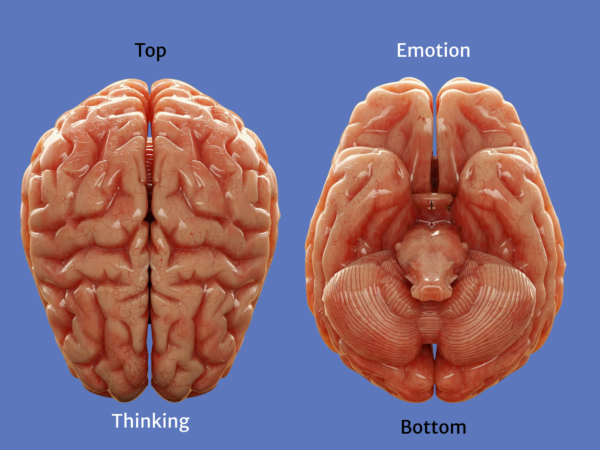
Understanding the difference between the thinking brain and the feeling brain
Using breath, movement, and awareness to settle the body
Practicing curiosity instead of judgment when emotions arise
Building moments of pause into daily life
Small, consistent practices matter more than big breakthroughs.
Connect with us to schedule your 75-minute Foundations call.
Emotional regulation isn’t something we’re born knowing how to do — and it’s not something we master once and move on from. It’s a lifelong skill that grows through understanding, connection, and practice. This series explores what emotional regulation really is, how it develops, why it breaks down under stress, and how we can strengthen it at any age.
What It Is, Why It Matters, and How It Grows With Us
Emotional regulation is one of those terms that gets used a lot — often without much explanation.
It’s not about staying calm all the time. It’s not about suppressing emotions or “being positive.” And it’s definitely not about controlling yourself into numbness.
At its core, emotional regulation is about relationship — with your nervous system, your thoughts, your body, and the moment you’re in.
It’s a skill that evolves as we do.
What Emotional Regulation Really Is
Emotional regulation is the ability to notice, experience, and respond to emotions without being overwhelmed by them — or ruled by them.
That includes:
Recognizing what you’re feeling
Understanding why it might be happening
Giving yourself enough internal safety to respond rather than react
Regulation doesn’t mean the emotion disappears. It means you stay present while the emotion moves through you.
Think of it as learning how to surf waves instead of trying to stop the ocean.
When emotional regulation is strong, people tend to:
Trust themselves more
Recover more quickly from stress
Think more clearly under pressure
Communicate with less reactivity
Feel safer in their own bodies
When it’s underdeveloped or disrupted, we often see:
Anxiety that feels sudden or overwhelming
Emotional shutdown or numbness
Explosive reactions that feel “out of character”
Overthinking, spirals, or people-pleasing
Difficulty with boundaries or decision-making
This isn’t a character flaw. It’s information.
Most regulation challenges trace back to how safe we learned to feel — not to willpower or personality.
Humans are not born with the ability to regulate emotions on their own, it’s something that needs to be learned.
Babies rely entirely on co-regulation — the soothing voice, steady presence, and attuned responses of caregivers.
Over time, the nervous system learns:
“When I feel overwhelmed, someone helps me return to balance.”
That pattern becomes internalized.
As children grow, emotional regulation develops through:
Repeated experiences of being soothed
Naming emotions
Learning that feelings are allowed
Having big emotions met with safety rather than fear or dismissal
If those experiences were inconsistent, rushed, or missing — the nervous system adapts in other ways. Those adaptations often show up later as anxiety, shutdown, or reactivity.
Again, this isn’t something to fix — it’s something to understand.
Emotional regulation is not a finish line you cross in adulthood. It’s a living, evolving process.
In childhood, regulation is mostly external. In adolescence, emotions intensify while regulation is still under construction. In adulthood, many people realize they were never taught the skills — only the expectations.

Later in life, regulation can deepen even further as:
Awareness increases
The nervous system becomes more familiar
Old patterns soften
Self-compassion replaces self-criticism
The beautiful truth is this:
Your nervous system is always capable of learning new responses.
A common misunderstanding is that emotional regulation means not feeling so much.
In reality, healthy regulation increases your capacity to feel — without losing yourself.
This worksheet is a gentle place to explore how emotional regulation shows up for you. There’s nothing to solve — just space to notice, reflect, and build awareness over time.
Emotional regulation can be strengthened at any age.
Some simple entry points include:
Learning how your nervous system signals safety and stress
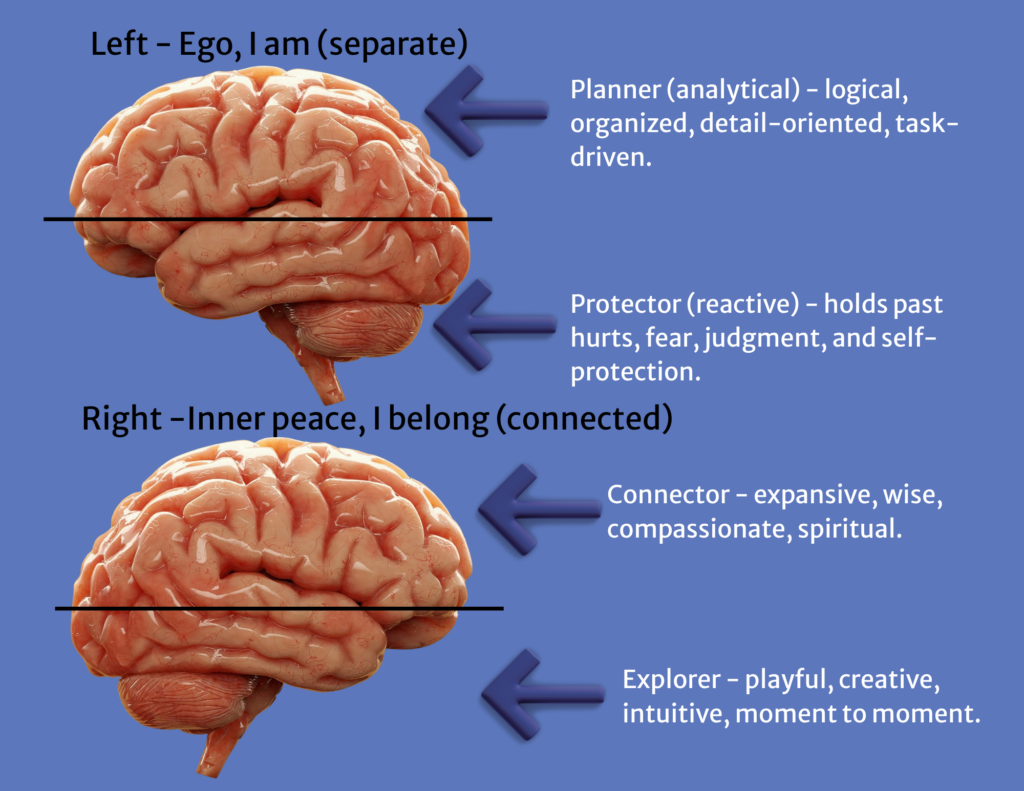
Understanding the difference between the thinking brain and the feeling brain
Using breath, movement, and awareness to settle the body
Practicing curiosity instead of judgment when emotions arise
Building moments of pause into daily life
Small, consistent practices matter more than big breakthroughs.
A Gentle Reminder
If emotional regulation feels hard, it doesn’t mean something is wrong — it means you’re practicing a skill that takes time, repetition, and care.
It often means:
Your nervous system learned to protect you
You adapted to your environment
You did the best you could with the tools you had
Now, you get to learn new ones.
Connect with us to schedule your 75-minute Foundations call.
🧠 Why We Go Into Debt (It’s Not As Simple As “Bad Choices”)
Most people assume debt is a math problem. In reality, it’s far more emotional than logical — and often rooted in decisions made for today, not for who we’ll be tomorrow.
Here are a few patterns many of us experience, especially at Holiday times of the year:
1. Emotional Spending
Sometimes we spend to feel better, calmer, or in control — even if that feeling only lasts a moment. It’s not about the item; it’s about soothing something inside us.
2. Wanting to Belong or Show Love
Gifts, dinners, events… it’s easy to slip into the belief that spending equals caring. For some, giving more than they can comfortably afford comes from a deep desire to connect or be accepted.
3. Avoidance & Anxiety
When money feels overwhelming, many people simply look away — avoiding bank accounts, balances, or bills. Avoidance gives temporary relief, but often leads to long-term stress.
4. “Money Martyrdom”
This shows up when you consistently put others’ needs ahead of your own — buying for everyone else, easing others’ financial discomfort, or using money to manage relationships.
None of these patterns mean anything negative about you. They’re simply information — clues that help you understand what’s been driving your behaviour around money.
Learning to recognize these patterns is really about becoming familiar with your Future Self. When you understand what’s underneath your habits, you’re better able to make choices today that support the version of you who comes next — so when tomorrow arrives, you’ve already got your own back.
These behaviours aren’t random. They’re shaped by stories, beliefs, and emotional shortcuts that formed long before money felt like a choice.
🔍 The Habits Underneath
Behind every money habit is a belief — usually one we didn’t consciously choose. They often sound like quiet, familiar thoughts:
“I have to spend to show I care.”
“It’s embarrassing to talk about money.”
“I’ll never have enough.”
“I’m just not good with money.”
Most of these beliefs formed early, long before we had our own bank accounts or real choices. They were shaped by what we observed, what felt safe, and what helped us belong at the time.
When those beliefs show up now, especially in emotionally charged moments like holidays, they often steer decisions toward relief today instead of well-being tomorrow.
This is where your relationship with your Future Self becomes meaningful.
When you begin to recognize why these habits show up — not to judge them, but to understand them — you create a quiet bridge between who you are now and who you’re becoming. That bridge makes it easier to make choices that feel supportive over time, not just soothing in the moment.
That’s where awareness starts — and where real possibility opens up and new questions become possible.
Elevated Moment
When we understand our patterns, we’re better positioned to design a life our Future Self will thank us for.
For this, I turn to Ramit Sethi’s work, he surprised and delighted me with the way he thinks about money.
🌱Ramit Sethi’s Philosophy of a Rich Life (It’s not about being rich — it’s about being intentional.)
“A Rich Life isn’t about having a huge bank account. It’s about living a life that feels meaningful, expansive, and aligned with what matters to you.“
When we look at this through the lens of the Future Self, something shifts.
Instead of reacting to the moment, we begin asking:
What kind of life am I building for the version of me who comes next?
One way to explore that question is by noticing how you currently relate to money.
Having language for our patterns is the most compassionate place to begin.

The Money Psychology Self-Assessment Quiz helps you identify your patterns around spending, saving, avoiding, or giving, especially during emotional or stressful moments. These patterns don’t define you, but they do influence the future you’re creating.

The quiz is simply a pause — a chance to ask:
Are my current money habits supporting the life my Future Self is stepping into?
Values-based — your spending reflects what you truly care about
Guilt-free — you spend lavishly on what you love, and cut ruthlessly on what you don’t
Clear and intentional — your money becomes a tool for designing the life you want
It’s the opposite of generic financial advice like “stop buying lattes” or “just budget harder.”
This is where the Future Self becomes especially helpful. By exploring what kind of life you’re building — and who you’re building it for, reflection invites you to understand where the habits came from.
When we step back and look at money through this lens, we’re no longer asking “What should I be doing?”
We’re asking something much more meaningful.
The Money Psychology Reflection Worksheet is designed for a deeper dive. It helps you slow down and explore the beliefs, experiences, and emotional patterns that shape your relationship with money — and how those patterns influence the future you’re building.
What does a fulfilling, meaningful life actually look like for the person I’m becoming?
When money is guided by awareness and intention, it often shifts from a source of stress into a source of possibility.
💡 The Core of Ramit’s Philosophy through the lens of your Future Self
Sethi often says:
“You should spend extravagantly on the things you love — and cut costs mercilessly on the things you don’t.”
When we bring the Future Self into this idea, it becomes less about rules and more about relationship.
When you truly know your Future Self — when you feel connected to them and clear about what they want — it’s easier to make grounded choices. You’re not denying yourself joy; you’re simply being thoughtful.
Just like with a good friend, when you care about their long-term wellbeing, you’re also mindful of what actually supports them.
Clarity creates trust. And trust reduces self-sabotage.
For many people who grew up with guilt around spending, fear of running out, or the belief that joy must be earned, this perspective is deeply freeing.
A Rich Life, in this sense, gently reminds us:
You’re allowed to experience joy
You’re allowed to choose what matters
You’re allowed to build a life that feels nourishing, steady, and supportive
When money choices come from friendship with your Future Self, they tend to feel calmer — and far more aligned with building a life that feels ‘Rich’.
Further Explorations
Because curiosity deepens awareness.
Each month, I share a few favourite resources for anyone who wants to dive a little deeper — articles, podcasts, books, and research that build on what we’ve been exploring together around the mind, body, and conscious living.
Just click the links below to read, listen, or save them for later. Follow your curiosity — and see what new insights show up along the way.
🎧 Podcast — Jay Shetty Podcast: Scott Galloway often reminds people that true financial security comes from resilience — not luck, not timing. His philosophy is simple: spend less than you make, invest consistently, build skills that increase your earning power, and design a life where you’re not constantly one bad break away from crisis. This link takes you to 25:02 of the podcast, the whole episode is 1 hr 30 min.
🎧 Podcast — Diary of a CEO: Ramit Sethi talks about designing a “Rich Life” based on what truly matters to you—not what society tells you should matter. He challenges the guilt and shame many of us feel around spending and encourages intentional choices that align with our values. This link takes you to 2:05 of the podcast, the whole episode is 1 hr 50 min.
📖 Book — The Psychology of Moneyexplores how our beliefs, emotions, and personal history shape the way we handlemoney. Morgan Housel uses short, engaging stories to show that financial success isn’t about math — it’s about behavior. A great read if you’re curious about why you make the money choices you do. (6–8 hr read / ongoing reflection).
When you’ve tried to think your way through something but nothing seems to stick.
Private sessions help you uncover the root cause behind what’s holding you back.
Using the guided approach of Rapid Transformational Therapy® (RTT), Conversational Tranceformation™, and Mental Fitness Coaching, we work beneath the surface challenge to create meaningful emotional and behavioral change — helping you step into deep, lasting transformation.
Workshops: Tools for the Mind is a monthly 60-minute, in-person coaching workshops explore how your mind works to create harmony between thought, emotion, and body. You’ll deepen self-understanding, strengthen emotional awareness, and leave with clarity you can feel right away. Come for one topic or return each month to keep expanding your toolkit for mindful living.
These guided Walks help you slow down, engage with the land, and explore how the mind works in nature. Each walk includes a 15-minute pause for deep listening to support integration and reflection.
Available for individuals or groups from February through November, just outside Kimberley, BC on 270 acres of private land.
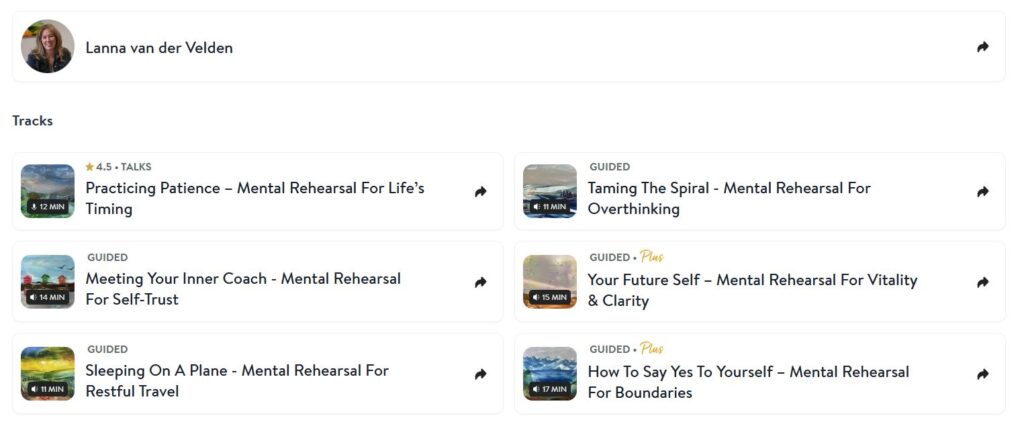
If you enjoy learning through audio, you’ll find guided practices that help you feel calmer, clearer, and more connected to yourself.
My work on Insight Timer includes mental rehearsals, visualizations, and practical tools designed to support emotional awareness, stress relief, and everyday mental fitness.
Download the #1 Free Meditation app to get started.
Why the child you once were still shapes the adult you are becoming
Most of us don’t realize how much our younger selves are still shaping our adult lives. The worries we carry, the way we react when we feel overwhelmed, and the patterns we fall into without thinking—many of them began long before we were old enough to understand what was happening.
That’s where Growing Up, Looking Back: A Fresh Approach to Inner Child Work really begins. Inner child work isn’t about “becoming a child again.” It’s about gently reconnecting with the parts of ourselves that were formed during our earliest years—the parts that learned how to cope, how to stay safe, how to earn love, or how to avoid conflict. These younger parts influence our emotional responses today, often without our awareness.
Inner child work helps us slow down, listen, and understand. And when we do that, something powerful happens: old patterns soften, compassion grows, and we start responding from a grounded, capable place rather than an old protective one.
What Inner Child Work Actually Looks Like
Inner child work is a process of getting deeply curious about the younger parts of you. Together we explore:
Where certain beliefs or fears started
How childhood experiences shaped your responses today
What your younger self needed but didn’t receive
What tools you can use now to support those parts
This isn’t about reliving the past. It’s about bringing awareness and compassion to it.
In my approach—which blends Conversational Tranceformation™, Rapid Transformational Therapy (RTT®), and practical coaching—we take a gentle, insight-based path. Each modality works together to help you understand where patterns began, how they still show up today, and how to shift them with clarity and compassion. This integrated style supports both the emotional healing of the inner child and the practical skills needed to create real change in your daily life.
Think of it as having a guide helping you connect the dots between “why this still bothers me” and “what I can do differently now.”
You don’t have to know exactly what you’re looking for. Most people come in simply feeling like something inside them needs attention or soothing—and that’s enough.
Why I’m Deeply Connected to This Work
People often ask why I feel so at home doing inner child work. The truth is: I’ve spent most of my life working and understanding kids—how they think, feel, cope, and communicate.
A lifetime of working with children
My work with children started at 12, babysitting and supporting families in my community. By 15, I was working in daycare. By my early 20s, I was managing a full daycare program at a ski resort in Alberta.
These years gave me real-world insight into child behaviour and emotional development—insight that deeply informs how I guide adults through their inner child healing.
Formal training in development and psychology
I completed Early Childhood Education through the University of Lethbridge and studied child psychology, providing me with developmental frameworks, attachment theory, emotional regulation patterns, and behavioural understanding.
Experience with teens navigating big emotions
My time at Options for Sexual Health—supporting teens with identity, relationships, boundaries, and difficult emotions—added another layer to my work and taught me how to create safe spaces for vulnerable conversations.
Parenting twins
And of course, being a parent of identical twins has given me a front-row seat to how differently children experience the world—even with the same genetics and environment. Parenting has shaped not only my compassion, but my ability to spot developmental patterns quickly and accurately.
Put all of this together, and you have a blend of intuition, training, lived experience, and emotional depth that makes inner child work natural, grounded, and effective.
Why Inner Child Work Helps So Many Adults
As adults, we often assume we’ve “outgrown” childhood experiences. But the patterns that formed early don’t disappear—they simply become more sophisticated.
Inner child work helps adults identify when they’re reacting from:
Old fear instead of current reality
Learned responsibility instead of healthy boundary
People-pleasing instead of authentic want
Survival strategies instead of choice
When you understand why a reaction exists, you gain the power to interrupt it. And that shif
If You’re Feeling a Pull Toward This Work… Here’s Why That Matters
Adults are incredibly skilled at ignoring their internal signals. We shrug off discomfort, call it “stress,” or assume we simply need to work harder, cope better, or “get over it.”
But that quiet pull—the curiosity, the nudge, the sense that something inside you is ready to shift—is meaningful.
It often shows up when:
You’re tired of repeating the same pattern
You feel like you’ve outgrown an old identity
Your nervous system wants more peace
A part of you wants to stop bracing for impact
You’re finally ready to understand rather than avoid
This is where Growing Up, Looking Back: A Fresh Approach to Inner Child Healing becomes powerful for adults. It gives you the language, tools, and emotional clarity your younger self never had access to.
In my work, using Conversational Tranceformation™, RTT®, and coaching, we approach this gently and collaboratively. You stay grounded. You stay in control. And you build a version of yourself that feels calmer and more aligned with who you want to be—not who you had to be.
You never have to do this work alone.
And if you’re feeling that pull, it’s likely because a part of you already knows—it’s time.
💜
Connect to schedule your 75-minute Foundations call and start your path to transformation.
Step away from the noise and into nature for a calming wellness experience designed to help you reconnect with your inner clarity and natural rhythms.
Together, we’ll walk through forested trails to a stunning mountain overlook, where I’ll guide you through gentle breathwork, sensory awareness, and a mental rehearsal to support nervous system regulation and emotional balance. This walk offers a chance to reset your mind and body in a peaceful, awe-inspiring environment. You’ll leave feeling lighter, more grounded, and more connected to your inner calm.
🌼 What’s Included:
Private, guided nature walk and reflective conversation
Learn how your mind works to calm the nervous system, shift mental patterns, and restore clarity and ease
Mind-body grounding practice and guided mental rehearsal
A 10–15 minute audio recording delivered within 48 hours, crafted to support your ongoing well-being
🛑 Important Notes:
This is a wellness-based experience, not clinical hypnotherapy
Please dress for the weather and wear sturdy footwear
Walks can be booked 10 months of the year (February to November)
Bring water, something to sit on, and anything else that helps you feel comfortable outdoors
🚶 Accessibility:
This walk includes uneven terrain and a short hill climb. It is best suited for individuals who are comfortable walking on natural forest/game trails. The trail is not wheelchair accessible.
Group Experience (2 plus people) – $55 + GST per person Duration: 90 minutes
Family Group Experience (2 Adults, plus children 8 yrs old and up) – $55 + GST per person Duration: 90 minutes
Child/Student rates available
✅ Booking, Waiver & Payment
To confirm your spot, full payment and a signed waiver are required in advance. Your session will be held temporarily but not confirmed until both are received.
After booking, you’ll receive:
A consent and liability waiver to sign electronically
Infertility affects many couples. It is as tough emotionally as it is physically. I know this firsthand. I’m a mom of twins who spent 4.5 years on my own fertility journey. The struggle to conceive can feel very lonely. But, there are many solutions that can help. Infertility isn’t just about physical factors. Mental and emotional aspects matter too. This article will cover the five best infertility solutions. They have shown real results. They include lifestyle tweaks, stress management, and mental health support. If you’re on this journey, these tips might be what you need to help you move forward.
Understanding Infertility – Common Causes of Infertility
A variety of factors, both physical and psychological, can cause infertility. It’s essential to recognize these factors to address them effectively.
Physical Factors
Endometriosis: This condition occurs when uterine grows outside the uterus. It causes pain and can lead to infertility.
Fibroids: Noncancerous growths in the uterus can interfere with conception and pregnancy.
PCOS (Polycystic Ovary Syndrome): A hormonal disorder causing enlarged ovaries with small cysts on the outer edges.
Irregular Periods and Lack of Ovulation: These issues can prevent the regular release of eggs necessary for fertilization.
Poor Quality Semen and Low Testosterone: Male infertility factors that can affect the chances of conception.
Psychological Factors
Stress and Anxiety: Chronic stress can affect hormone levels and ovulation.
Negative Thought Patterns: Persistent negative thinking can impact mental and physical health.
Depression and Mood Swings: Emotional health affects physical health. Depression can hurt fertility.
Infertility can cause great distress. This can worsen physical issues and create a cycle of stress and infertility.
The Impact of Infertility on Mental Health
Infertility doesn’t just mess with your body—it really hits you emotionally too. The struggle to conceive and the heartbreak of setbacks can take a huge toll on you and your partner. Society, and ourselves, can pressure you to have kids. It can make you feel inadequate and frustrated.
Chronic stress can really throw women’s hormones out of whack and mess with ovulation, making it harder to get pregnant. But infertility isn’t just a physical struggle—it’s an emotional rollercoaster for both partners. The constant pressure to conceive, mixed with the heartbreak of setbacks, can weigh heavily. The stress, anxiety, and feelings of inadequacy can build up, and add pressure to personal expectations to have kids. It’s a tough cycle because the more stressed you are, the harder it can be to conceive.
For men, stress can affect physical processes. It can cause problems with erections, a low sperm count, or orgasms. Infertility affects both partners in different ways. It’s vital to address both the physical and emotional aspects of this journey. Managing stress and the emotional toll can help. It can create a more positive space for conception. This can boost your chances of success.
At the end of the day, intimacy with your partner should be enjoyable and fun. It should foster a deep connection. It should not feel like a chore or a source of anxiety about whether it will work.
Top Infertility Solutions
To tackle infertility, it’s important to take a well-rounded approach that combines both medical and holistic treatments. Here are five solutions that many have found helpful.
Infertility Solution 1) Medical Treatments and Interventions for Infertility
Medical treatments like In Vitro Fertilization (IVF) can be a lifeline for many people struggling with infertility. IVF works by stimulating the ovaries to produce many eggs. These eggs are then retrieved and fertilized with sperm in a lab. After monitoring the embryos for a few days, we implant the healthiest ones into the uterus. IVF is a common fertility treatment. Its success depends on age and health. So, it’s essential to consult a fertility specialist for expectations.
There are hormonal treatments beyond IVF. They can help with irregular ovulation and hormonal imbalances in you or your partner. Medications like Clomiphene Citrate or Gonadotropins are often used to stimulate ovulation and boost your chances of getting pregnant. But like any treatment, they can have side effects—things like mood swings, hot flashes, or ovarian hyperstimulation syndrome. For men, hormonal imbalances can cause problems like erectile dysfunction, reduced libido, or even infertility. Navigating these options can feel overwhelming, but working closely with a specialist can help you find the right path forward.
Infertility Solution 2) The Role of Lifestyle Changes in Enhancing Fertility
Some small changes to your lifestyle can boost fertility. It starts with a balanced diet. A load of essential nutrients can help. Folic acid, vitamin D, iron, omega-3s, and antioxidants are key. They support your health and boost your chances of conceiving. But it’s not just about what you eat. Make physical activity a routine part of your daily life. Maintain a healthy weight. Cut caffeine, alcohol, and ultra-processed foods. These changes improve your physical health. They also help create a better environment for conception, aiding your fertility journey. By focusing on these lifestyle adjustments, you’re setting yourself up for a much better shot at a healthy pregnancy.
Regular Exercise and Maintaining a Healthy Weight
Staying active is closely tied to reproductive health. Regular exercise not only helps you maintain a healthy weight but also reduces stress and boosts your overall well-being. Activities like walking, swimming, and yoga are great options—they’re effective without being too intense.
Stress Management and Mental Health Support
We can’t overlook the impact stress and mental health have on fertility. Tackling these areas can do wonders for your overall well-being and increase your chances of conceiving. Stress management techniques like meditation and mindfulness are fantastic for keeping stress levels in check and helping you stay calm. Also, make time for hobbies you love. They can relieve stress from trying to conceive.
Infertility Solution 3) Enhancing Emotional and Relationship Health
Also, make time for hobbies you love. They can relieve stress from trying to conceive. The journey can be tough on your emotions. So, it’s vital to keep your relationship strong and healthy. Being open and honest with your partner about what you’re both going through is key. Sharing your feelings, worries, and fears helps you connect. It also supports each other through hard times. Even simple acts of love can make a big difference. They help you stay positive and close as a couple. Prioritizing your emotional health and your relationship can help. It will help you cope with the ups and downs of trying to conceive. You will be stronger and more understanding, knowing you’re in it together.
They offer great advice on strengthening your relationship during challenging times.
A couple, after many fertility struggles, found a key to conceiving. They needed to heal emotionally and address hidden mental blocks. For more insights, you can check out the research from Translational Research or the article from the American Psychiatric Association.
How RTT® Can Help
Infertility is a very stressful, draining experience. While IVF and lifestyle changes are vital, so is the emotional side. We must focus on the psychological aspects too. Stress, anxiety, and beliefs about your worth can harm your mind and body. They can even hurt the success of medical treatments.
That’s where RTT® (Rapid Transformational Therapy) comes in as a powerful complement to your fertility journey:
Tackling Emotional Blocks: RTT® helps you find and remove harmful, subconscious beliefs. They may be holding you back. Fears about parenthood, past traumas, and feeling unworthy can reduce your chances of conceiving. RTT® shifts these beliefs. It creates a mindset more supportive of conception. By shifting these beliefs, RTT® creates a mental space that’s more supportive of conception.
Cutting Down on Stress and Anxiety: Chronic stress and anxiety can seriously mess with your fertility. RTT® addresses these feelings. It helps you relieve stress and relax. This state is better for conception.
Boosting Confidence and Well-being: The infertility journey can feel overwhelming. RTT® can boost your self-esteem and confidence. It can help you face the process with a positive mindset. This may be the key to your success.
Supporting Wellness: RTT® is about mental and emotional healing. Your mind-body connection means that better mental health can improve your physical health. This may make other infertility treatments more effective.
If you’re looking for more guidance, check out Marisa Peer’s book, Trying to get Pregnant (and Succeeding). It’s a great resource for anyone on this journey.
Conceiving Against All Odds
It felt like everyone around us was getting pregnant with ease. They would think about it, and then they were expecting. Meanwhile, we were struggling, trying to understand why it wasn’t happening for us.
We explored every avenue, we visited OB-GYNs and fertility clinics, hoping to find answers and a solution. We even faced the chance of moving beyond IVF, with no guarantees it would work. The journey was emotionally draining, filled with tears and frustration. Intimacy started to feel like a chore, something we had to do rather than a way for us to connect as a couple. But through it all, our shared challenges, heartbreaks, and hopes deepened our bond.
Belief & Stress
Two things stood out to me during this journey—belief and stress. Our OB-GYN told us, “It only takes one.” Just one egg, just one sperm. That simple truth became a beacon of hope and one I didn’t realize would be so profound. Then, at the fertility clinic, we learned about the impact of stress on conception. They emphasized how high stress levels could hinder our chances of getting pregnant. Running a business in the Home Medical Equipment industry can be very stressful. We decided to take a step back and focus on reducing stress. Instead of diving into a fertility plan, we took a vacation—a chance to relax, reconnect, and just be together.
To our astonishment, that vacation resulted in a pregnancy. It was a bittersweet moment, as that pregnancy ended in a miscarriage. But from that loss, we gained something invaluable: the belief that we could conceive on our own. We decided to try for another year. If it didn’t work, we’d start hormone injections. Five months later, I was pregnant again.
This journey taught us so much about belief. The belief that we could do this, that we could get pregnant, was powerful. But it also taught us about the pain of loss and the strength it takes to keep going. My husband, who had been so supportive, admitted that he only wanted to go through this once. The pain of infertility, the fear of disappointment, was something he didn’t want to relive.
Shock & Awe
At eight weeks, I went in for an internal exam. My doctor noticed that I was larger than expected for my dates and recommended an ultrasound. On a fertility journey, you know all your dates, so I assumed I was just carrying a large baby. But at 11 weeks, during the ultrasound, we experienced a moment of sheer amazement. As the technician moved the wand over my belly, she showed us our baby’s heartbeat. After the heartbreak of a miscarriage, seeing that tiny heartbeat was an incredible relief. Then, she moved the wand again and revealed a second heartbeat. We were in shock—how was it possible that without any treatments, we were pregnant with twins?
The technician reassured us that it was an identical twin pregnancy, and everything looked amazing. But with twins, our pregnancy was now considered higher risk. We went back to the same OB-GYN who had told us, “It only takes one.” At each of our next three appointments, he asked me which fertility treatment I had undergone. He was surprised every time I told him there had been none. “It only takes one,” I reminded him. That belief had somehow led us to this incredible outcome.
The Journey Forward
Infertility is a complex challenge that affects your body, mind, and emotions all at once. To navigate this journey, we must take a well-rounded approach. It should cover all these areas. Medical treatments like IVF and hormonal therapies are often essential. But they work better with lifestyle changes—think balanced meals, exercise, and rest.
Just as important is taking care of your stress levels and emotional health. Mindfulness, meditation, and therapies like Rapid Transformational Therapy (RTT) can help. They can clear mental blockages and keep your mindset positive. To conceive, focus on your well-being. Nurture your relationships. Create a supportive environment. It can make all the difference.
If you’re struggling with infertility, you’re not alone. Many resources can help you. A holistic approach can boost your chances of conceiving. It can also improve your mental and emotional well-being. Keep hope alive. Reach out for support. Explore options for your journey to parenthood.
Disclaimer: The information provided here is for general guidance and informational purposes only. It is not intended to replace professional medical advice, diagnosis, or treatment. Always consult with a qualified healthcare provider regarding any medical concerns or conditions. The advice shared is based on general knowledge and should not be considered a substitute for personalized medical care.
As an Amazon Associate, I earn from qualifying purchases. This helps support the content and services provided here. Thank you for your support!
“I can’t believe that you are such an idiot! How come you are so stupid? You’re the worst person who could ever live.”
Pain is a Pain
When I first came across Marissa Peer and Rapid Transformational Therapy (RTT®) on the podcast “Diary of a CEO” with Steven Bartlett, I had been searching for a way to fix the pain in my hands and feet. I had gone through all the conventional medical pathways, testing for fibromyalgia, multiple sclerosis (MS), Lou Gehrig’s disease (ALS), and rheumatoid arthritis.
One of the appointments was with a neurologist. She was testing nerves in my hands and feet to hopefully rule out multiple sclerosis. Adam Grant, in his book “Think Again,” talks about being a scientist and approaching problems with an open mind. I was willing to listen to anything the specialist said to me. The amazing thing about searching for solutions is that when you’re open and curious, you can explore many paths. Living remotely, I had to look for help up to 5-6 hours away and often faced long waiting lists.
The surprising part was that I didn’t connect neurology with the mind. To this day, I find that very interesting. It wasn’t until she said, “All of your physical tests are in the normal range,” that I really started to think. This was a thorough doctor who spent quite a bit of time with me, reviewing all my tests. The next thing she said was, “Just because your physical tests are normal doesn’t mean you’re not in pain. It just means we have to consider that the pain is coming from somewhere else, rather than your body.” I thought, “Well, if it’s not from my body, where the heck is it from?” She pointed me in the direction of cognitive behavioral therapy (CBT).
CBT was a great place to start because it gave me a direction to travel in. Any progress forward felt like progress toward something better. Being able to understand that there was something other than crawling up the stairs on my hands and knees, feeling like I was 1000 years old, and progressing in any kind of direction that would remotely help was amazing.
The Search for Understanding
My search for understanding, especially in the scientific world, began early. My husband and I were pretty young, around 23-24, when we became owners of a home medical equipment business. In that business, we encountered every health challenge imaginable—physical issues like quadriplegia, paraplegia, cerebral palsy affecting mobility to the point of needing a wheelchair for life, as well as pain from cancer, chronic pain, ostomies, and acute injuries from work or sports.
During that time, after 4 years of trying to conceive, we became parents to identical twins. The stress of owning a business, feeling responsible for employees and babies, and caring deeply about many divergent things became crystal clear. It made me reflect deeply: Did I want to rely on medication every day, or face the prospect of being unable to move, possibly needing a wheelchair, walker, or scooter in the future—especially as a new parent? These thoughts lingered in the back of my mind for a long time. It became clear to me that I needed to prioritize my health and well-being so that I could live better and show up fully for my children.
When facing health challenges years later, it felt outside of my control. Having a clear path to follow was immensely gratifying. So, I started with Cognitive Behavioral Therapy (CBT), which led me to discover the Curable app and Rachel Zoffness’s “The Pain Management Workbook.” The Curable app served as a gateway into the podcast world, introducing me to Jay Shetty’s “On Purpose” and “The Happiness Lab,” where I found a wealth of fascinating content. Beyond podcasts, I explored books, YouTube, and other sources of information. Embracing a scientific mindset opened up numerous avenues for self-help.
The Power of the Mind
Although I’ve always had a passion for psychology, especially child psychology, you don’t need any prior knowledge to apply these techniques to find information. It’s all about taking things one step at a time – thank you, Jay Shetty, for that insight! My approach used to be riddled with procrastination because I could envision the end result but struggled with the process. Now I understand that progress happens through consistent, incremental steps; there’s no quick fix or effortless path. Finding joy, fulfillment, and achievement is possible, especially when approached with a positive mindset. This shift marked the beginning of my true healing journey. Through ongoing exploration and learning, I came across the enlightening “Diary of a CEO” podcast.
A little over a year ago, I heard Marisa Peer talking about Rapid Transformational Therapy (RTT®) on the podcast. Through all the different aspects of my healing journey, and maybe by serendipity (although I don’t believe in coincidences), she said something that made me sit up and take notice. She was talking about her book, “Tell Yourself a Better Lie”; just the title made me think: What do you mean I can ‘lie’ to myself about how I am feeling? Why would that work? I listened and then searched out all the other places, podcasts, and information that I could find about what she meant.
Because I think like a scientist, I explored the concepts she was talking about. I also tested them to see if they work. Then, I bought her books, “I Am Enough” and “Tell Yourself a Better Lie.” I was halfway through “I Am Enough” and got to the Rules of the Mind. That’s when I signed up to become a Rapid Transformational Therapy (RTT®) therapist. The subconscious rewire and deep mindset work were incredible. Just hearing what she said helped transform my life. I started to think about myself as a healthy, fit person because that’s what I wanted to be.
As an aside, ‘Diary of a CEO’ remains my favorite podcast to this day. I love Steven Bartlett’s approach to interviewing—he asks questions of his guests that resonate deeply with me: What was your life like? Where do you come from? What motivates you? Why pursue your interests? His podcast, categorized under Business, Education, and Health, feels therapeutic in its depth. I started listening to the episodes sequentially, likely from Malcolm Gladwell onwards. The journey is exciting as there’s so much more to explore. Each guest, from diverse industries and backgrounds, offers invaluable insights. I find something to learn from every single person featured.
Rapid Transformational Therapy (RTT®)
Fast forward and I now deeply understand what happened to cause the pain in my hands and feet. My root cause of those symptoms was the belief, I’m not enough which was due to Rapid Transformational Therapy (RTT®). When I tell my friends and loved ones the words I used towards myself, they are shocked because I never treat them that way. I treat them as if I care about them and love them; they hear that I love them regularly. They feel the love I have for them. But I never once told myself that. Knowing that I could tell myself that I am enough started me on my true healing journey. I no longer say how stupid I am; I no longer say I’m an idiot, why can’t you do that right, what’s wrong with you, and any other horribly negative thought.
I’m not going to tell you there’s a magic pill; there isn’t one. I thought there was but that’s only our mind tricking us into thinking that we can do it the easy way – it’s a Rule of the Mind to conserve resources for survival. There is, however, a hack and that is Rapid Transformation Therapy (RTT®). Since Marisa’s words were so inspiring in changing in my life, I imagined what working with the mind could do for myself and others.
My experience with the limiting belief that I wasn’t enough and unlovable is a feeling like you are travelling through life in a brackish swamp with water up to your knees. Every step smells putrid and there is a lot of resistance as you push through trying to gain forward momentum. Top that with not knowing why you feel like you are Shrek in the Swamp, it kept me in bed a lot of days. Now I know that the trick is an awareness that most of these beliefs are hidden from view. They accumulate over time and become heavy and weighted without you realizing it. In my case, the only thing I felt is that my hands and feet were sore because the belief operates at a subconscious level.
With the Rapid Transformational Therapy (RTT®) tools, I learned how to skillfully guide someone on their healing journey with confidence, with compassion and with love. All I’ve ever wanted in life is to be able to help people. I want to inspire someone to understand they are enough just as they are. Feeling so free and so loved and so excited now that I know what was driving my behaviour. I am free from my limiting beliefs so that I can truly help people around me. So that people can realize all their own dreams and aspirations and become their most authentic self. Once we know that we have triggers from our beliefs we can fix them. This is why it’s essential to understand where limiting beliefs come from and why they are so powerful.
The Path to Healing
Healing yourself takes work but it doesn’t have to be hard. What my life looks like now compared to how it looked even two years ago is night and day. I pay attention every day to my thoughts, my movement, my eating habits, and my life’s purpose. If I had told myself I’d be making all these habit changes, I would have thought, “No way, that sounds impossible.”
But I’ll let you in on a little secret: it’s the most fulfilling, loving, purposeful enjoyment I get in life. I can’t wait to wake up in the morning to see what the day is like, and I go to sleep at night knowing that life is truly the most amazing, authentic life I’d been searching for. Not perfect—there were issues like perfectionism and some OCD in my operating system—but now I can use that attention to detail as my superpower to help others. There are days that are more challenging than others, but I recognize that I can use my recording to remind me about my inner Cheerleader, so the day gets better and brighter.
Taking this journey toward my own healing is the most incredible gift I could give myself. Investing in my health and healing, I am transformed from the hateful, mean, ugly person I was to myself to now realizing I’m safe, loved, protected, and significant—not in a boastful way, but in a confidently humble way. I don’t let myself be talked about without love; I advocate for myself because I deserve it. I’m enough, and because I’m enough, I expect others to treat me as if I’m enough. The amazing power of understanding what you don’t know about yourself is incredibly transformative.
I wouldn’t trade any other lesson I’ve had to learn in life to get me where I am today. All the things I’ve learned on this journey inform who I am and because I love who I am, I cheerlead for myself first, and then I can help millions of people cheer for themselves as well. You too, can invest in your future self with the healing techniques of RTT®, I know how to guide you to root cause, so that you can truly be free.
In love and care,
Lanna
As an Amazon Associate, I earn from qualifying purchases. This doesn’t affect the price you pay but supports my work in bringing you meaningful content.
We use cookies to ensure that we give you the best experience on our website. If you continue to use this site we will assume that you are happy with it.