Over the years, I’ve read a lot of books across psychology, neuroscience, habits, parenting, and personal growth. Some were interesting. Some were insightful. And some genuinely changed how I understand myself and the people I work with.
This page isn’t about reading more.
It’s about reading what actually helps, when you need it.
I’ve organized these recommendations by topic so you can find the right book for where you are right now. Within each section, titles are listed alphabetically to keep things simple. I’ll continue adding to this list as I come across resources that feel genuinely useful, practical, and grounded.
How to Use This Reading List
Skim the categories
- Notice which section pulls at you
- Start with one book that feels relevant to your current season
Growth doesn’t happen by consuming more information. It happens by understanding yourself a little better and applying what fits.
Where Should I Start?
If you’re not sure where to begin, use this list to jump directly to the section that best matches what’s coming up for you.
Each section includes its own “Start Here” recommendation to help you choose a first book once you arrive.
💛 Anxiety, Stress & Emotional Regulation
🎯 Confidence, Self-Trust & Boundaries
🧠 Habits, Identity & Behavior Change
🌱 Meaning, Values & Living Well
🌿 Mind–Body, Healing & Physical Well-Being
❤️ Relationships, Attachment & Family Systems
🧠 Understanding the Brain & Human Behavior
💛 Anxiety, Stress & Emotional Regulation
Anxiety isn’t a personal failure. It’s a protective response that becomes overwhelming when the nervous system is under chronic strain, uncertainty, or pressure.
This section focuses on understanding how stress, emotions, and the body interact, and offers grounded tools for regulation rather than suppression. These books support learning how to notice what’s happening internally, respond with more skill, and build emotional resilience over time.
Start with the one that feels most relevant to your current experience or use the guide below to narrow it down.
Where to Start
- If emotions feel confusing or overwhelming: Atlas of the Heart
- If anxiety shows up as overthinking: Stop Overthinking
- If stress is affecting your body or health: When the Body Says No
- If you want practical regulation tools: Whole Brain Living or Just Breathe
- If you want a broader understanding of modern stress: The Myth of Normal
Atlas of the Heart
Gives language to emotions so people can understand what they’re actually feeling instead of judging it.
👉 https://amzn.to/3YLad7u
Cognitive Behavioural Therapy
An accessible introduction to CBT tools for understanding thought patterns and emotional responses.
👉 https://amzn.to/4b73a0i
Rising Strong
A guide to resilience, emotional processing, and learning from failure.
👉 https://amzn.to/49NxRVW
Stop Overthinking
Simple strategies to quiet mental loops and reduce anxiety.
👉 https://amzn.to/4jLFh0l
The Body Keeps the Score
Foundational for understanding trauma and how it lives in the body.
👉 https://amzn.to/3YLTZuO
The Myth of Normal
Challenges what we accept as “normal” in a stressed, disconnected culture.
👉 https://amzn.to/4bEEDQc
The Pain Management Workbook
Evidence-based tools for understanding and managing chronic pain through a biopsychosocial lens.
👉 https://amzn.to/4a03QTU
Unstressable
A logical, compassionate approach to understanding stress and reducing unnecessary suffering.
👉 https://amzn.to/460DMpj
When the Body Says No
Explores how chronic stress and suppressed emotion affect physical health.
👉 https://amzn.to/3NpJkDA
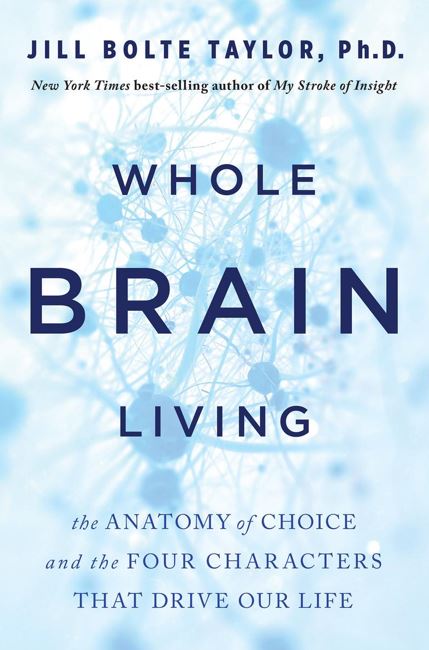
Whole Brain Living
A practical framework for recognizing and integrating emotional states.
👉 https://amzn.to/4b74Kiy
Breath
Explains why breath is foundational to nervous system regulation and emotional stability.
👉 https://amzn.to/4pWni9a
Just Breathe
An entry point into breathwork for calming the nervous system.
👉 https://amzn.to/4qwotNw
The Wim Hof Method
A practical guide to breathwork, cold exposure, and building resilience.
👉 https://amzn.to/49sahPz
🎯 Confidence, Self-Trust & Boundaries
Confidence isn’t about being louder, tougher, or more certain. It’s about having a stable inner ground the ability to trust yourself, stay connected to your values, and respond rather than react.
This section focuses on belief systems, identity, self-talk, and boundaries. The books here explore how confidence is shaped over time and how it can be rebuilt gently, practically, and sustainably. You strengthen confidence by reconnecting with who you already are and what it is that you want.
Start with the one that feels most relevant to your current experience or use the guide below to narrow it down.
Where to Start
- If self-worth feels conditional or fragile: I Am Enough
- If confidence feels performative or inconsistent: Strong Ground
- If perfectionism or self-criticism is holding you back: The Gifts of Imperfection
- If you want a simple, daily way to rebuild self-trust: The High 5 Habit
- If boundaries feel hard or you’re carrying too much responsibility: The Let Them Theory
I Am Enough
Foundational belief work around worthiness and self-acceptance.
👉 https://amzn.to/49sy0z1
Pursue the Best You
Explores identity, belief, and values-based performance rather than outcome obsession.
👉 https://amzn.to/4a1Ekxy
Strong Ground
Reframes confidence as steadiness and inner security rather than bravado.
👉 https://amzn.to/4qwM6Wj
Success for Life
Focuses on mindset and belief change as the foundation for success.
👉 https://amzn.to/4sH1kcB
Tell Yourself a Better Lie
Explores how internal narratives shape identity and outcomes.
👉 https://amzn.to/4qsz9MX
The Gifts of Imperfection
Encourages self-acceptance, authenticity, and letting go of perfectionism.
👉 https://amzn.to/4r0XauG
The High 5 Habit
Builds self-trust through a simple, embodied daily practice.
👉 https://amzn.to/4jOkcT8
The Let Them Theory
A simple mindset shift for releasing control and strengthening boundaries.
👉 https://amzn.to/3NxpTsn
Ultimate Confidence
Focuses on rewiring unconscious beliefs that undermine confidence.
👉 https://amzn.to/4sL9Wiz
Why Woo‑Woo Works
Bridges intuition and science in a grounded, evidence-based way.
👉 https://amzn.to/49rLzyK
🧠 Habits, Identity & Behavior Change
Change isn’t about willpower or motivation. It’s about understanding how habits form, how identity shapes behavior, and how small, repeatable actions create momentum over time.
This section focuses on building sustainable patterns by working with the brain rather than against it. The books here explore attention, learning, emotional impulses, and values-based action so change feels more realistic and less exhausting.
Start with the one that feels most relevant to your current experience — or use the guide below to narrow it down.
Where to Start
- If emotions or impulses derail your behavior: A Path Through the Jungle
- If you want practical, identity-based habit change: Atomic Habits
- If focus and distraction are the main challenge: Indistractable
- If you want clarity around purpose and direction: Find Your Why
- If you want to strengthen learning, memory, or mental performance: Limitless
A Path Through the Jungle
A practical guide to managing emotions, impulses, and behavior under pressure.
👉 https://amzn.to/4jLKCVB
Atomic Habits
Practical, identity-based habit change that works without relying on motivation or willpower.
👉 https://amzn.to/45Qharz
Find Your Why
A practical guide to clarifying purpose so decisions and actions feel more aligned.
👉 https://amzn.to/4a2ltTa
Limitless
Expands beliefs around learning, memory, and cognitive potential.
👉 https://amzn.to/3LQmncc
My Hidden Chimp
A relatable way for children to understand emotional reactions and internal conflict.
👉 https://amzn.to/4qsCY4R
The Chimp Paradox
A practical framework for managing emotional impulses under pressure.
👉 https://amzn.to/4qXBpf3
The Lean Startup
Teaches adaptive thinking, experimentation, and learning through action.
👉 https://amzn.to/4quXfH7
Think Again
Encourages flexibility, curiosity, and the ability to update beliefs.
👉 https://amzn.to/4qS9sW6
Why Has Nobody Told Me This Before?
Accessible mental health tools for everyday emotional challenges.
👉 https://amzn.to/4t4EY5h
Indistractable
Helps people reclaim attention by understanding emotional triggers behind distraction.
👉 https://amzn.to/3ZlgHtK
🌱 Meaning, Values & Living Well
This section is for moments when the question isn’t “How do I fix this?” but rather “How do I want to live?”
The books here explore purpose, values, perspective, leadership, community, and long-term fulfillment. They’re less about solving a specific problem and more about stepping back, gaining clarity, and making choices that feel aligned over time.
Start with the one that feels most relevant to where you are right now — or use the guide below to narrow it down.
Where to Start
- If you’re questioning meaning or identity: A New Earth
- If you want practical guidance on building a meaningful life: Build the Life You Want
- If purpose feels unclear: Start with Why
- If you’re interested in longevity and lifestyle alignment: The Blue Zones
- If you want a calm, reflective mindset approach: Think Like a Monk
A New Earth
Helpful for people ready to step back from ego-driven thinking and cultivate presence and awareness.
👉 https://amzn.to/45kl9wq
Build the Life You Want
A grounded blend of happiness research and real-life strategies for building meaning over time.
👉 https://amzn.to/3YLu2eM
Leaders Eat Last
Shows how trust, safety, and leadership shape performance and wellbeing.
👉 https://amzn.to/4a02poC
Start with Why
Clarifies how purpose influences motivation and fulfillment.
👉 https://amzn.to/45Qi2MR
The Blue Zones
Shows how community, lifestyle, and purpose influence longevity.
👉 https://amzn.to/4jSgtUG
The Light We Carry
A reflective exploration of resilience, hope, and inner strength.
👉 https://amzn.to/4b1VlZC
Think Like a Monk
A practical approach to training the mind for calm, clarity, and purpose.
👉 https://amzn.to/4b2D3HL
Main Street Millionaire
A grounded look at building financial independence outside hype-driven business models.
👉 https://amzn.to/4r5PKX3
🌿 Mind–Body, Healing & Physical Well-Being
This section is for times when physical health, energy, or symptoms feel closely tied to stress, emotions, beliefs, or lifestyle. Rather than separating the body and mind, these books explore how they work together shaping resilience, healing, and long-term wellbeing.
The focus here isn’t perfection or optimization. It’s understanding your body with more curiosity, compassion, and agency, and making changes that are sustainable over time.
Start with the one that feels most relevant to what your body is asking for right now — or use the guide below to narrow it down.
Where to Start
- If stress or emotions are affecting your physical health: When the Body Says No
- If you want to understand metabolism and energy regulation: The Obesity Code
- If you’re curious about longevity and healthspan: Outlive
- If nutrition feels confusing or overwhelming: Food for Life
- If belief, stress, and healing feel connected: The Mindful Body
Trying to Get Pregnant and Succeeding
Belief-based support for fertility and reproductive challenges.
👉 https://amzn.to/49DoQyA
Fast Like a Girl
Useful for understanding fasting through a female hormonal lens rather than a one-size-fits-all model.
👉 https://amzn.to/3NrncZC
The Complete Guide to Fasting
A physiology-based guide to fasting and metabolic health.
👉 https://amzn.to/3YHrwGt
The Menopause Reset
Offers insight into hormonal health during midlife transitions.
👉 https://amzn.to/4sNTcXK
The Obesity Code
Reframes weight and metabolism through hormones rather than calories.
👉 https://amzn.to/4jLDLeP
Brain Energy
Connects mental health and metabolic health in a way that reframes anxiety, mood, and resilience.
👉 https://amzn.to/4sTUBML
Eat to Beat Disease
Empowering nutrition science that connects food choices to immune and long-term health.
👉 https://amzn.to/4pJp25a
Food for Life
Explains how gut health, diversity of foods, and lifestyle shape long-term wellbeing.
👉 https://amzn.to/45lXcoy
Heal Your Body
Introduces the idea that emotional patterns can influence physical symptoms.
👉 https://amzn.to/3LSucht
How Your Mind Can Heal Your Body
Explores the science behind belief, stress, and the mind–body connection.
👉 https://amzn.to/45gZUvq
Is Your Body Trying to Tell You Something?
Encourages curiosity about physical symptoms instead of fear or suppression.
👉 https://amzn.to/4qZpLjO
Outlive
Encourages proactive thinking about healthspan, not just lifespan.
👉 https://amzn.to/3NrqgoA
The Body
An engaging, accessible overview of how the human body works.
👉 https://amzn.to/4bCXtHo
The Comfort Crisis
Challenges the idea that comfort equals wellbeing and explores resilience through challenge.
👉 https://amzn.to/4b7de9A
The Emotion Code
Explores emotional energy and its influence on physical and emotional wellbeing.
👉 https://amzn.to/3NQlgK4
The Mindful Body
Explores how mindset, awareness, and perception influence physical health and wellbeing.
👉 https://amzn.to/3ZgVzVA
The Power Is Within You
Encourages self-responsibility, belief change, and inner agency.
👉 https://amzn.to/3YMci2P
You Can Heal Your Life
Foundational belief work linking self-talk and wellbeing.
👉 https://amzn.to/49Evi8n
Young Forever
Explores longevity through functional medicine and lifestyle choices.
👉 https://amzn.to/3NpGYVe
❤️ Relationships, Attachment & Family Systems
Relationship patterns don’t begin in adulthood they develop over time through early attachment, family dynamics, and experiences of safety, repair, and connection.
This section explores how relationships function across the lifespan, from parenting and childhood development to adult partnerships and family-of-origin healing. The books here focus on emotional regulation, communication, boundaries, and understanding why certain relational patterns repeat and how they can change.
Start with the one that feels most relevant to your current relationships or use the guide below to narrow it down.
Where to Start
- If parenting or supporting children feels emotionally demanding: Good Inside
- If childhood experiences are affecting adult relationships: Adult Children of Emotionally Immature Parents
- If conflict keeps repeating in close relationships: Fight Right
- If connection feels strained or distant with a partner: Eight Dates
- If you want research-backed relationship tools: The Seven Principles for Making Marriage Work
A Child Is Born
A photographic exploration of human development before and after birth.
👉 https://amzn.to/49N0wdD
Emotional Regulation for Parents
Helps parents regulate themselves first so children can feel safe and supported.
👉 https://amzn.to/4sLCisT
Good Inside
A compassionate, regulation-first parenting approach focused on connection over control.
👉 https://amzn.to/4jMBVdn
The Anxious Generation
A look at rising anxiety in youth and the impact of modern culture and technology.
👉 https://amzn.to/49GElFV
Adult Children of Emotionally Immature Parents
Validating and clarifying for anyone who grew up feeling unseen, responsible, or emotionally alone.
👉 https://amzn.to/4jK85Xf
Eight Dates
Structured, meaningful conversations that strengthen connection and long-term relationships.
👉 https://amzn.to/4qRDtFi
Fight Right
Teaches how to argue in ways that build trust instead of damaging connection.
👉 https://amzn.to/45iAnlC
Money for Couples
A clear, honest conversation about money, values, and shared goals in relationships.
👉 https://amzn.to/4b89zrV
Recovering from Emotionally Immature Parents
Provides tools for healing, boundaries, and emotional autonomy.
👉 https://amzn.to/3Zh0llV
The Seven Principles for Making Marriage Work
Research-based practices for sustaining healthy relationships.
👉 https://amzn.to/45Nrl02
🧠 Understanding the Brain & Human Behavior
This section is about zooming out to understand why humans think, feel, and behave the way they do. Rather than focusing on fixing a single issue, these books offer broader context how culture, biology, trauma, belief, and environment shape our decisions, attention, relationships, and sense of self.
If you’re curious about patterns (your own or society’s), this section helps make behavior more understandable and less personal.
Start with the one that feels most relevant to your curiosity right now or use the guide below to narrow it down.
Where to Start
- If you want big-picture context on human behavior: Sapiens
- If focus and attention feel harder than they used to: Stolen Focus
- If behavior is best understood through trauma and development: What Happened to You?
- If you’re interested in motivation and influence: The Influential Mind
- If you’re exploring identity and neurodiversity: Unmasking Autism
21 Lessons for the 21st Century
A thoughtful lens on modern life, uncertainty, and decision-making in a rapidly changing world.
👉 https://amzn.to/4a1uiMY
Give and Take
Reframes success through contribution, reciprocity, and healthy relational dynamics.
👉 https://amzn.to/3LTnbwS
Lost Connections
Explores depression and disconnection through social, cultural, and relational lenses.
👉 https://amzn.to/49saIcF
Sapiens
Offers big-picture context for understanding human behavior and culture.
👉 https://amzn.to/4sRw5Mc
Stolen Focus
Explains why focus is harder today and what actually helps reclaim it.
👉 https://amzn.to/4qufEnx
The Influential Mind
Explains how optimism, belief, and motivation influence behavior.
👉 https://amzn.to/45hjNm2
The Nature of Personal Reality
Explores how beliefs and perception shape lived experience.
👉 https://amzn.to/4sNTAWc
Unmasking Autism
Validates neurodivergent experiences and identity.
👉 https://amzn.to/3ZoCAs4
What Happened to You?
Reframes behavior through trauma-informed understanding.
👉 https://amzn.to/4qRP6vW
A Quick Note on Affiliate Links
The links on this page are Amazon affiliate links. That means if you choose to purchase through them, I may earn a small commission at no extra cost to you. I only recommend books I genuinely believe are worth your time and attention.