

personal growth

There Is Value in Friction

Friction, Perfectionism, and the Algebra of Excellence

I was listening to a conversation on The Diary of a CEO where Scott Galloway spoke about storytelling, excellence, and something that caught my attention immediately:

There is value in friction.

The biggest rewards often come from the hardest challenges.
Relationships.
Community.
Connection.
Meaningful work.

And as I listened, I realized this is where perfectionism quietly complicates everything.

Because perfectionism does not hate excellence.
It fears friction.

Start With the Feeling

Before writing a story, Galloway asked a simple question:

What do you want someone to feel?

Not what do you want them to know.
Not what do you want them to agree with.

What do you want them to feel?

And that question applies far beyond storytelling.

If you are someone who lives inside perfectionism, you might notice that most of your days are built around performance. Getting it right. Anticipating needs. Staying prepared. Being competent.

But underneath that, there is often a quieter question:

When do I feel seen?
When do I feel enough without performing?

Perfectionism organizes around control.
Excellence organizes around intention.

The difference begins with emotion.

We rarely remember information.
We remember how something made us feel.

And many high-functioning, capable adults are not looking for more information.
They are looking for relief.
Clarity.
Ground under their feet.

Define Your Lane Instead of Winning Everywhere

One idea that stood out was this: aim to be in the top 1% — but define your lane clearly.

Not the top 1% of everything.
The top 1% of something specific.

Perfectionism resists this.

It says:
Be excellent everywhere.
Be indispensable in every room.
Do not narrow yourself.
Do not risk being “just” one thing.

You might recognize this pattern.
Overcommitting.
Overpreparing.
Overextending.

Trying to win in rooms that were never yours to lead.

Excellence is quieter.
It asks for depth, not breadth.

For me, my lane looks like this:
Translating behavior into insight.
Creating tools and quizzes that help people understand themselves.
Taking psychology and making it practical.

Not abstract.
Not overwhelming.
Not performative.

Just useful.

The difference between proficient and exceptional is rarely talent.
It is small daily refinement.
Clarity.
Feedback.
Practice.

Perfectionism demands flawless output.
Excellence demands consistent effort.

Perfectionism fears being seen mid-growth.
Excellence expects it.

If a human can do something, other humans can learn elements of it with practice. Not to replicate the person, but to study the patterns.

That is personal responsibility.
And it is much steadier than perfectionism.

The Algebra of Storytelling and the Myth of “More”

There was a phrase that stayed with me: the algebra of storytelling.

A compelling voice.
Emotion.
White space.
Scarcity.
Domain expertise.
Connection.

Notice what is missing.

Overload.

Perfectionism loves more.
More detail.
More proof.
More credentials.
More explanation.

It fills space to avoid criticism.

But white space is confidence.
Saying less, clearly, is maturity.

And connection matters.

Family.
Community.
Belonging.
Maternal care.
Cultural roots.

Stories endure because they tether to relationship.

So does healing.

So does growth.

You do not need to impress to matter.
You need to connect.

Friction Is the Point

This is where it all lands for me.

Friction is not a flaw in the system.
It is the system.

The friction of saying no.
The friction of disappointing someone.
The friction of not being universally liked.
The friction of admitting you were wrong.
The friction of slowing down.

Perfectionism avoids friction because friction feels unsafe.

But avoided friction becomes anxiety.
Unspoken friction becomes resentment.
Internal friction becomes self-criticism.

When you learn to stay with it — without attacking yourself — something shifts.

You build tolerance.
You build resilience.
You build identity that is not dependent on performance.

The biggest rewards do not come from polished surfaces.
They come from relational depth.
From community.
From contribution.
From meaningful effort.

I consider myself an average explorer.

Not extraordinary.
Curious.

If something works for one human, there are patterns inside it worth studying.

Not to copy.
To learn.

Excellence is not mystical.
It is iterative.

It is friction plus reflection plus adjustment over time.


Connect with us to schedule your 75-minute Foundations call and start your path to transformation.

When Your Inner Weather Changes Every Five Minutes

A Whole Brain Living approach to understanding yourself

Have you ever heard someone say, “If you don’t like the weather, wait five minutes”?
That’s what thoughts can feel like for most of us.

Our inner world shifts fast. Moods roll in like sudden cloud cover. A memory can change the emotional temperature of a moment. And sometimes you can feel completely different within a single hour without consciously choosing any of it.

It is not that you are inconsistent, too sensitive, or overreacting. It may simply be that different parts of your brain are taking turns leading.

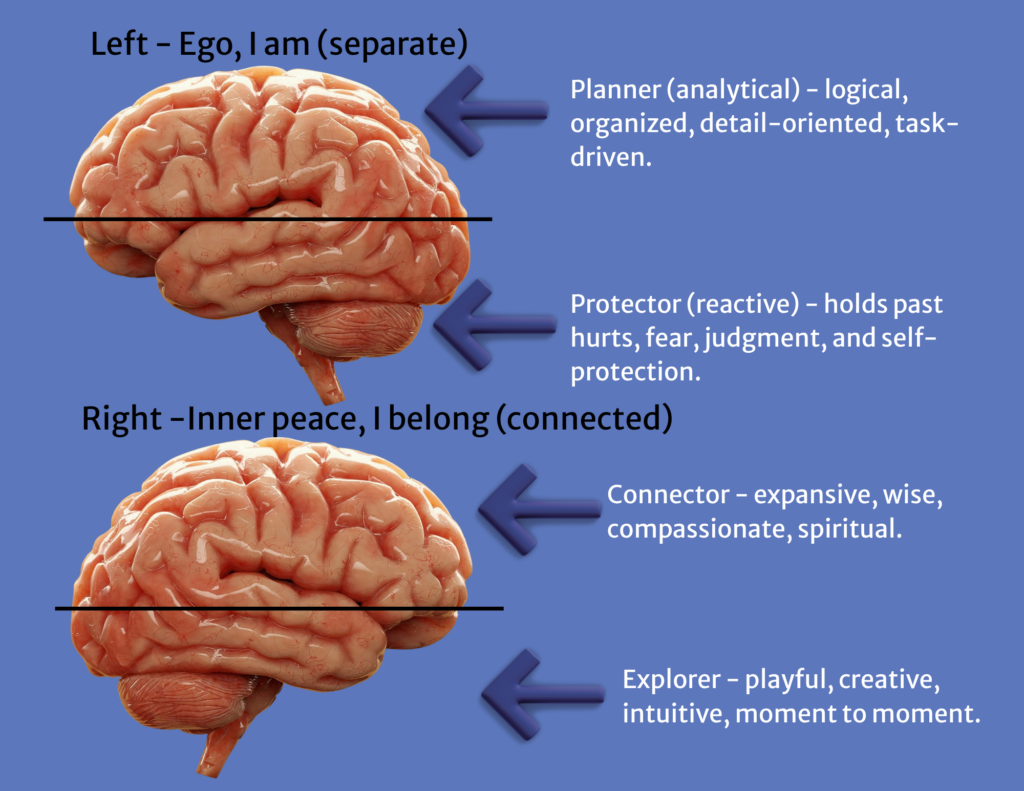
In Whole Brain Living, Dr. Jill Bolte Taylor describes what she calls the Four Characters. These are four distinct patterns of thinking and feeling that arise from the left and right sides of the brain. Each has its own personality, pace, strengths, and priorities.

When we are unaware of this internal dynamic, the shifts can feel confusing or even destabilizing. But when we begin to recognize which character is active, something powerful happens. We gain choice.

The weather inside does not stop changing.
But we stop being surprised by it.

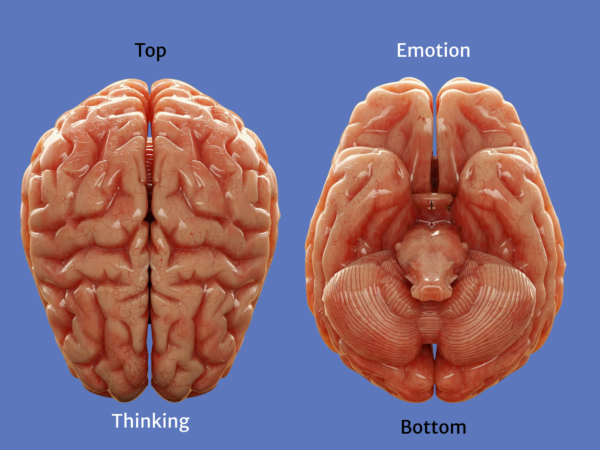
In the image above the brain is separated by thinking on the top and emotion on the bottom of the brain. Ten points for noticing that there are two separate halves as well (This image is for illustrative purposes only and is representation of the human brain).

Your Brain Is a Weather System, Not a Single State

Most of us grow up thinking we should be one consistent version of ourselves at all times.
But in Whole Brain Living by Dr. Taylor, you learn that you are actually a combination of:

  • Left Thinking (Character 1): The planner, the organizer, the one who loves lists and order.
  • Left Feeling (Character 2): The protector, the one who remembers hurt and tries to keep you safe.
  • Right Feeling (Character 3): The playful, creative, spontaneous energy—your inner child.
  • Right Thinking (Character 4): The calm observer, the expansive, connected, “it’s all going to be okay” presence.

Each part has a purpose. Each part shows up to help.
But when you don’t know who’s driving the bus, your internal weather can feel unpredictable and overwhelming.

Most of the Shifts Happen Before You’re Aware of Them

This is the part many people miss.

Whole brain living isn’t about controlling every thought or emotion—it’s about noticing which “character” just rolled in, just like noticing when the wind changes.

Sometimes:

  • Character 2 storms in because something touched an old wound.
  • Character 1 takes over because you’re overwhelmed and trying to feel in control.
  • Character 3 appears when you’re relaxed and safe.
  • Character 4 softens everything when you slow down long enough to let it speak.

These shifts happen in seconds, and often below conscious awareness.
But once you start recognizing them, you can choose your response rather than getting swept away by the storm.

Why This Matters for Your Everyday Life

When you understand your inner weather system:

  • You stop blaming yourself for being “all over the place.”
  • You recognize when fear, memory, joy, or logic is actually speaking.
  • You learn how to soothe the storm instead of fighting it.
  • You get better at knowing what you need—right now, in this moment.

This is self-awareness in real time.
Not perfection.
Not constant calm.
Just skillfully meeting yourself again and again.

A Simple Practice to Get Started

The next time you notice your inner weather shifting, pause. Think of the Four Characters like guests in a room.

Then gently ask yourself:

“Who just walked in?”

  • Is it the planner?
  • The protector?
  • The playful one?
  • Or the peaceful one?

You do not have to judge the answer. Just notice it.

Then take one slow breath, letting the exhale be slightly longer than the inhale.

That single breath gives your nervous system a moment to settle. It allows another part of your brain to participate before you react.

Naming creates awareness.
Breathing creates space.
Space creates choice.

The weather inside you will still change. That is part of being human.

But when you learn to recognize the shift, you begin to see patterns. You notice transitions. And over time, you learn how to carry an umbrella before the storm hits.

Connect with us to schedule your 75-minute Foundations call and start your path to transformation.

Turning Insight Into Practice

A Place to Practice

If you’ve ever left a session, workshop, or meaningful conversation feeling clear only to have life quickly pull you back into old patterns you’re not alone.

Insight alone doesn’t create change.
Practice does.

Most people don’t need more information. They need a way to integrate what they already know a place to slow down, regulate their nervous system, and reinforce new patterns in real time.

That’s where the Insight Timer app comes in.

It offers a simple, accessible way to practice mental fitness in everyday life. Whether you have five minutes or twenty, it gives you a place to pause, reconnect, and work with your mind intentionally without pressure or perfection.

This matters because meaningful change doesn’t happen only in big moments. It happens in small, repeated check-ins with yourself.

Why This Matters for Your Mental Fitness

If you’re doing inner work whether through therapy, coaching, self-reflection, or curiosity having a consistent practice space helps turn insight into embodiment.

Insight Timer supports this by offering:

  • Short, repeatable practices you can return to
  • Tools for emotional regulation and nervous system support
  • Guided mental rehearsals to help you respond differently in real life
  • A calm alternative to scrolling or numbing out

Because doing internal work is brave.


Looking at patterns, understanding triggers, and building emotional awareness takes heart. But having a practice space—somewhere where showing up transforms your relationship with your mind and body—makes that journey gentler.

You can show up to reconnect with yourself through meditation, breathwork, mental rehearsals, journaling prompts, and sleep tools.

Small windows of reflection create meaningful momentum.


Mental Rehearsals = New Pattern

One of the core tools I share on Insight Timer is mental rehearsal and if you’re new to the concept, it’s worth understanding why it’s such a powerful addition to your mental fitness toolkit.

Mental rehearsal is the practice of intentionally imagining yourself responding differently before or after real-life situations. Athletes have used this technique for decades to improve and embody their performance, but it’s just as effective for everyday life.

When you mentally rehearse, you’re not “thinking positive.”
You’re helping your brain and nervous system experience a new pattern one that feels safer, steadier, and more supportive than old automatic reactions.

Your brain doesn’t fully distinguish between what is vividly imagined and what is physically experienced. That means rehearsal becomes practice. And practice builds familiarity. And familiarity creates change.


What is Embodiment?

Insight lives in the mind.
Change lives in the body.

You can understand something deeply and still find yourself reacting the same way under stress. That is not failure. It is biology. When pressure shows up, your nervous system defaults to what feels familiar, not what you have logically decided.

Embodiment is what bridges that gap.

Embodiment means your body has experienced a new response, not just thought about it. It is the difference between knowing how to ride a bike and actually staying upright when you start pedaling.

When something is embodied:
• Your body recognizes it as familiar
• Your nervous system feels safer accessing it
• You are more likely to respond that way in real moments

This is why insight alone is often not enough.


What Happens Without Embodiment

Without embodiment, new insights stay intellectual. Old patterns keep running automatically. Stress overrides intention. Change feels fragile or inconsistent.

This can be frustrating, especially for thoughtful, self-aware people who know better but still feel stuck.

Nothing is wrong with you.
Your system just has not practiced the new pattern yet.


How Embodiment Is Built

Embodiment is built through repetition in a regulated state.

This is where tools like mental rehearsal, breathwork, and guided practices matter. They give your nervous system a chance to experience calm before a difficult moment, confidence in your body, and a pause instead of a reaction.

Over time, these repeated experiences become stored as available options.

When life gets messy, which it always does, you are more likely to access what you have embodied rather than what you have only understood.


Why This Matters in Everyday Life

Embodiment allows you to stay grounded during difficult conversations, respond instead of react, follow through on boundaries, and trust yourself under pressure.

It is how insight turns into lived change.

That is why practice matters. Not to force transformation, but to help your system learn what safety, steadiness, and choice actually feel like.


Insight Timer Is a Great Place to Practice

What makes Insight Timer so supportive is that it gives you accessible, repeatable practice. You don’t need an hour. You don’t need perfect conditions. You just need a few minutes and a willingness to show up.

Mental rehearsals on the app allow you to:

  • Practice between sessions
  • Reinforce new patterns gently
  • Build consistency without pressure
  • Return to yourself when life feels noisy

This is especially valuable if you want a way to support your learning, in real time, in real life.

Mental fitness isn’t built in big moments alone.
It’s built through small, intentional repetitions.

And mental rehearsal gives you a way to practice those repetitions—right where you are.

Access Free Mental Rehearsals

Mental rehearsals are especially helpful if you:

  • Feel stuck in reactive patterns
  • Want to respond instead of react
  • Struggle with anxiety, overthinking, or emotional overwhelm
  • Are working on new habits or boundaries
  • Want to integrate insights from therapy or coaching into daily life

Through guided mental rehearsal, you can gently train your system to:

  • Slow down stress responses
  • Build emotional regulation
  • Strengthen self-trust
  • Rehearse new choices before real moments arise

It’s one thing to understand something intellectually.
It’s another thing to feel it in your body and nervous system.

That’s where mental rehearsal bridges the gap.

Connect with us to schedule your 75-minute Foundations call and start your path to transformation.

The Emotional Regulation Series Part 4: Practical Tools for Building Regulation at Any Age

Emotional regulation isn’t something we’re born knowing how to do — and it’s not something we master once and move on from.
It’s a lifelong skill that grows through understanding, connection, and practice.
This series explores what emotional regulation really is, how it develops, why it breaks down under stress, and how we can strengthen it at any age.

The Practice of Growing Emotional Regulation

By now, you’ve seen that emotional regulation doesn’t break down because something is wrong — it breaks down because stress changes how the nervous system functions.

Old patterns resurface.
Tools stop working when capacity is low.
Stress builds quietly until the system reaches its limit.

If this is your first post in the series, you may want to begin with Part 1: Emotional Regulation — What It Is, Why It Matters, and How It Evolves, where I lay the foundation for understanding regulation across the lifespan.

This context matters, because how we understand these experiences shapes how we respond to them.

Emotional Regulation Over Time

Why Old Patterns Still Show Up

Under pressure, the nervous system reaches for what’s familiar, not what’s ideal.

Old patterns — people-pleasing, shutting down, anger, avoidance, control — were once adaptive responses. They helped you cope at a time when your system needed protection. When stress rises, those pathways are simply easier to access.

This doesn’t mean you’re back at the beginning.
It means your system is responding with what it knows.

The goal of regulation work isn’t to eliminate these patterns, but to recognize them sooner and respond with more choice.

Why Tools Don’t Work When You’re Already Overwhelmed

Many people blame themselves when coping tools fail under stress. In reality, this is a timing issue, not a skill issue.

Tools require:

  • Attention
  • Choice
  • Flexibility

High stress reduces all three.

This is why emotional regulation isn’t built in the middle of overwhelm. It’s built around it — during calmer moments, recovery phases, and everyday life. Over time, those practices increase capacity, so stress has less impact when it does arise.

Regulation is not about controlling peak moments.
It’s about recovering more gently and more quickly.

Why Cumulative Stress Changes Everything

Stress rarely comes from one dramatic event. It builds through layers:

  • Interrupted sleep
  • Emotional labour
  • Constant decision-making
  • Uncertainty
  • Transitions
  • Holding things together for others

The nervous system experiences this as total load.

This is why people often say, “Nothing big happened — I just couldn’t cope.”

Something did happen. Capacity was exceeded.

Understanding cumulative stress helps us stop minimizing our experience and start respecting our limits

Building Emotional Regulation Over Time

Emotional regulation isn’t a single tool or technique — it’s a skillset that develops gradually through awareness, repetition, and safety.

The most effective tools work with the body, not against it.

1. Build Awareness Before Action

Regulation begins with noticing:

  • Early stress signals
  • Emotional patterns
  • Body sensations

Awareness creates choice — even when emotions are strong.

This is why reflection tools, journaling, and gentle check-ins matter. They help you recognize what’s happening before the system is overwhelmed.


2. Use Body-First Regulation

When stress rises, the body leads.

Helpful supports include:

  • Slowing the breath
  • Feeling contact with the ground or a chair
  • Gentle movement or stretching
  • Reducing sensory input
  • Restoring rhythm through routine

These approaches create safety first — which allows thinking and emotion to follow.


3. Normalize Co-Regulation at Every Age

Humans regulate better with support.

For children, this might be physical closeness.
For teens, it might be calm presence without pressure.
For adults, it might be conversation, shared space, or feeling understood.

Needing connection doesn’t mean you’re dependent.
It means your nervous system is human.

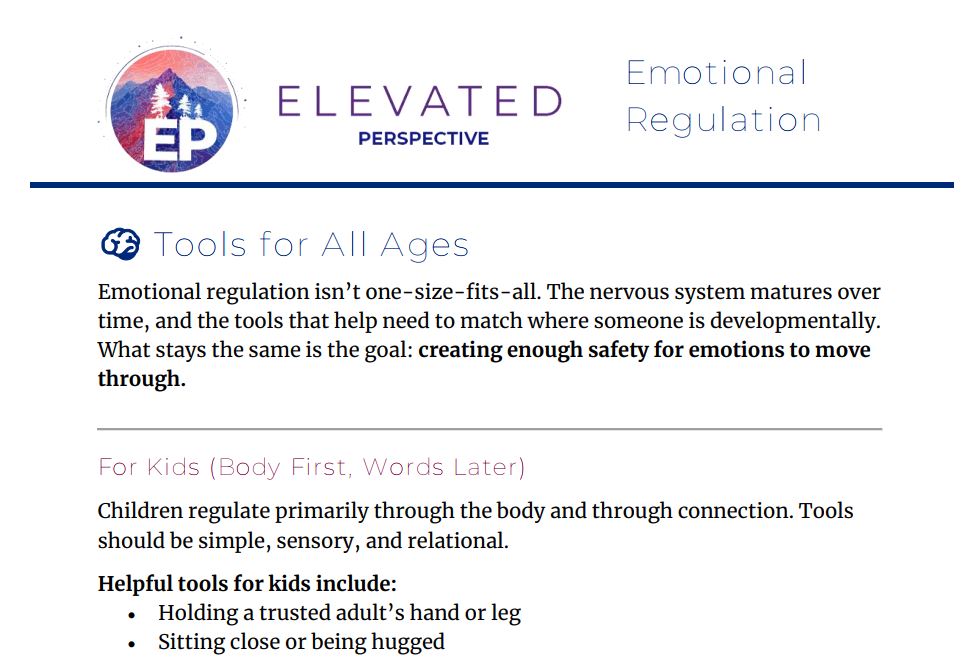
Download the Emotional Regulation Tools for All Ages below. A simple, supportive guide to building steadiness at every stage of life.


4. Practice Regulation in Calm Moments

Regulation strengthens through repetition — not intensity.

Small, consistent practices build capacity:

  • Pausing between tasks
  • Checking in with the body
  • Using compassionate inner language
  • Creating predictable rhythms

These moments teach the nervous system that it can move in and out of stress safely.


5. Aim for Progress, Not Perfection

Being regulated doesn’t mean being calm all the time.

It means:

  • Noticing sooner
  • Recovering faster
  • Responding with more choice
  • Treating yourself with less judgment

Ups and downs are part of being human. Regulation makes those waves smoother — not absent.

A Closing Thought

Emotional regulation isn’t something we master once and move on from. It’s a living skill that grows through awareness, connection, and practice — across every stage of life.

Throughout this series, the goal hasn’t been to fix emotions or eliminate stress, but to understand how the nervous system works and how safety shapes our ability to respond. When we replace self-judgment with curiosity, regulation becomes more accessible. When we allow support — from others and from ourselves — capacity grows.

Being human means ups and downs. Emotional regulation doesn’t remove those waves; it helps us move through them with more steadiness, compassion, and choice.

And that’s something we can continue to build, at any age.

Explore the Emotional Regulation Series:

Building Emotional Regulation Is a Skill

By now, you’ve seen that emotional regulation doesn’t break down because something is wrong — it breaks down because stress changes how the nervous system functions.

Old patterns resurface.
Tools stop working when capacity is low.
Stress builds quietly until the system reaches its limit.

If this is your first post in the series, you may want to begin with Part 1: Emotional Regulation — What It Is, Why It Matters, and How It Evolves, where I lay the foundation for understanding regulation across the lifespan.

This context matters, because how we understand these experiences shapes how we respond to them.s.

Connect with us to schedule your 75-minute Foundations call.

The Emotional Regulation Series Part 3: Why Emotional Regulation Breaks Down Under Stress

Emotional regulation isn’t something we’re born knowing how to do — and it’s not something we master once and move on from.
It’s a lifelong skill that grows through understanding, connection, and practice.
This series explores what emotional regulation really is, how it develops, why it breaks down under stress, and how we can strengthen it at any age.

Why Does This Keep Happening?

If you’ve ever thought, “I know what to do — so why can’t I do it right now?” you’re not alone.

Under stress, many people notice that their best coping skills seem to disappear. They react more quickly than they want to, feel overwhelmed by small things, or fall back into old patterns they thought they’d outgrown. This can be confusing and discouraging, especially for people who have done a lot of self-work.

It’s tempting to interpret this as failure or regression — but what’s actually happening is much simpler and much more human.

Stress doesn’t erase growth.
It temporarily changes how the nervous system operates.

When pressure increases, your system isn’t asking, “What’s the most thoughtful response?”
It’s asking, “Am I safe right now?”

Understanding this shifts the experience from self-blame to self-awareness — and that shift alone is regulating.

Stress Is a Nervous System State, Not a Personality Trait

Stress is not a flaw, a weakness, or a sign that you’re “bad at coping.”
It’s a state of the nervous system.

When stress rises, the body moves into protection mode automatically. This can happen in response to emotional strain, uncertainty, conflict, overload, or even prolonged busyness. The response is fast, instinctive, and not conscious.

This is why stress can show up as:

  • Snapping at people you care about
  • Freezing when decisions need to be made
  • Avoiding conversations you normally handle well
  • Overthinking simple choices
  • Feeling emotionally flat or shut down

These responses aren’t chosen — they’re protective. life.

Common Stress Myths

Myth: “If I were emotionally regulated, this wouldn’t affect me.”
Reality: Regulation doesn’t prevent stress responses — it supports recovery.

Myth: “I should be able to handle this by now.”
Reality: Stress capacity changes depending on context, load, and support.

Myth: “Other people seem fine — why am I not?”
Reality: You’re seeing behaviour, not nervous system state.

Stress doesn’t say anything about who you are.
It tells you what your system is responding to.

What Happens in the Brain Under Stress

When stress increases, the brain and nervous system shift priorities.

Energy moves away from areas responsible for reflection, planning, and emotional nuance, and toward areas focused on survival. This isn’t a malfunction — it’s an ancient design meant to keep humans alive.

You might notice:

  • Thinking becomes more rigid or black-and-white
  • Emotions feel bigger and harder to manage
  • Logic feels out of reach
  • Reactions happen faster than awareness

A helpful way to think about this is that the brain goes into emergency mode. When that happens, there’s less capacity for:

  • Perspective-taking
  • Patience
  • Creative problem-solving

This is why “just calm down” doesn’t work — and why trying to reason with yourself mid-stress often feels impossible.

Real-Life Examples

  • A parent who is usually patient suddenly feels overwhelmed by a small request at the end of a long day.
  • A teen who understands their emotions still shuts down during conflict.
  • An adult who communicates well at work freezes when emotions are involved at home.

In each case, the nervous system isn’t failing — it’s prioritizing safety.

And the most important thing to remember is this:

You can’t think your way out of a state your body is in.

Regulation returns not through effort or control, but through restoring a sense of safety — something we’ll explore more deeply as this series continues.

What Support Can Look Like When the System Is Overwhelmed

When emotional regulation breaks down, the instinct is often to try harder — to fix, control, or push through. But regulation doesn’t return through effort alone. It returns through safety.

This is where it helps to shift away from asking “What should I do right now?” and toward “What does my system need to feel steadier?”

For many people, the most helpful starting point isn’t another technique — it’s awareness. Understanding how stress shows up for you, how your body responds, and what patterns emerge under pressure creates the foundation for change.

When old patterns tend to resurface under pressure or when stress rises, the nervous system reaches for what’s familiar, not what’s ideal.

In Part 4: Practical Tools for Building Regulation at Any Age, we’ll explore how regulation can be strengthened over time — gently, intentionally, and in ways that meet you where you are.

A Personal Note: When Stress Had No Other Way Out

Looking back now, I can see that there was a long period of my life when my nervous system was under constant stress — and I didn’t yet have the language or tools to understand what was happening.

Emotional regulation wasn’t just difficult — it was something I didn’t know existed.

My emotional vocabulary was very small. Like Brené Brown describes in Atlas of the Heart, I only had access to a few labels: mad, sad, or happy. When emotions showed up that didn’t fit neatly into those categories, my system had nowhere to put them. They came out sideways — as anger or as collapse.

Anger looked like rage over small things.
Sadness looked like days in bed, “sick,” withdrawn, and heavy.

My family even had a nickname for the rage — the witchy bitchy woman. She was scary. Honestly, she was scary even to me.

At the time, I didn’t know I was dysregulated. I didn’t know my nervous system was overloaded. I didn’t even know I could feel emotions in my body. The only sensations I recognized were attached to anger — tightness, heat, tension. Everything else felt numb or invisible.

Stress kept building with no release.

Eventually, my body forced a pause. I developed shingles in my ear — Ramsay Hunt syndrome — which paralyzed half my face. What followed was deep exhaustion and depression, which I initially blamed on the medication I was taking. Looking back now, I can see how profoundly overwhelmed my system had become.

By chance — and timing — I went to see an acupuncturist who suggested yoga.

That suggestion changed everything.

Yoga helped me feel my body for the first time — not as something working against me, but as something I could listen to. I began to notice sensations without needing to label or explain them. From there, I slowly started to recognize that different emotions lived in different places.

Over time, patterns became clear:

  • Hyper-tension in my body
  • Grinding and gritting my teeth
  • “Sleeping stress” that never felt restful
  • Pain in my hands and feet

All of it was communication. My body had been expressing what my mind didn’t yet have language for.

As I learned more about how the mind works — especially the harsh, critical things I used to say to myself — I stopped treating my body like the enemy. I began to befriend it. Slowly, my mind, body, and spirit started working together instead of fighting each other.

Ten years later, my emotional world is much richer. There’s nuance now. There’s choice. There’s awareness. Not perfection — I’m human — but far more calm and steadiness than before.

And that’s the part I want to emphasize:

Emotional regulation didn’t arrive all at once.
It came through practice, curiosity, and learning to listen — especially when stress was loud.

If stress brings old patterns back online for you, it doesn’t mean you’re failing. Sometimes it means your system learned one way to cope — and is now ready to learn another.


Understanding stress through the body changed everything for me — and it’s why I believe so deeply that awareness is where regulation begins.

I share this not because everyone’s story looks like mine, but because stress often shows up long before we recognize it as stress. When emotional regulation breaks down, it’s often the nervous system asking for a different kind of support.

Explore the Emotional Regulation Series:

Building Emotional Regulation Is a Skill

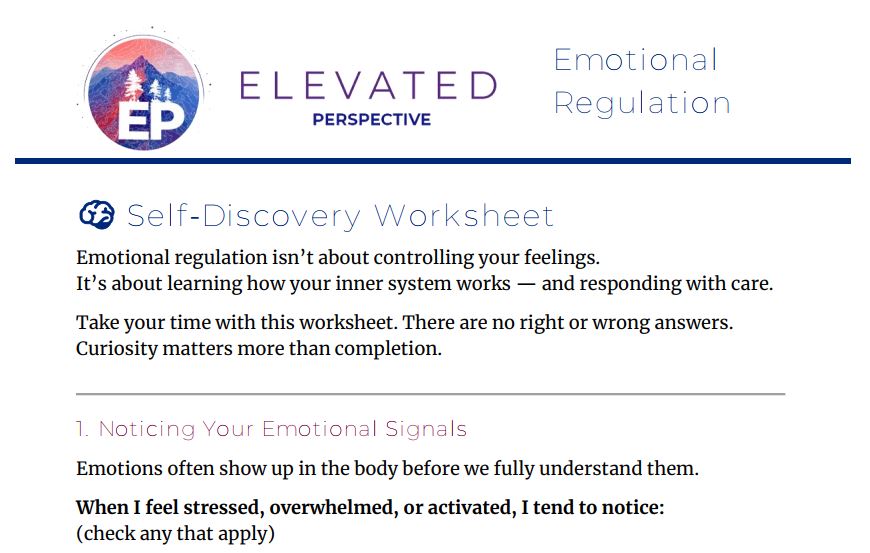
This worksheet is a gentle place to explore how emotional regulation shows up for you. There’s nothing to solve — just space to notice, reflect, and build awareness over time.
Emotional regulation can be strengthened at any age.

Some simple entry points include:

  • Learning how your nervous system signals safety and stress
  • Understanding the difference between the thinking brain and the feeling brain
  • Using breath, movement, and awareness to settle the body
  • Practicing curiosity instead of judgment when emotions arise
  • Building moments of pause into daily life

Small, consistent practices matter more than big breakthroughs.

Emotional regulation isn’t about eliminating stress; it’s about learning how to meet it with more understanding. Practice makes progress.

Connect with us to schedule your 75-minute Foundations call.

The Emotional Regulation Series Part 2: Before Self-Regulation Comes Co-Regulation

Emotional regulation isn’t something we’re born knowing how to do — and it’s not something we master once and move on from.
It’s a lifelong skill that grows through understanding, connection, and practice.
This series explores what emotional regulation really is, how it develops, why it breaks down under stress, and how we can strengthen it at any age.

What Emotional Regulation Looks Like in Kids vs. Adults

Emotional regulation looks very different depending on where we are in development — but the need for safety and connection never disappears.

Emotional regulation looks different in children, teens, and adults because our brains, bodies, and life experiences are constantly evolving.

Children rely on caregivers to help calm their nervous systems, borrowing regulation through closeness, reassurance, and presence.

As we grow, we gradually internalize those experiences and learn to regulate ourselves, though the process is rarely smooth.

Teens often feel emotions more intensely while still building regulation skills, and adults may appear outwardly regulated while internally overwhelmed.

Across every stage of life, emotional regulation is shaped not by age or willpower, but by how safe we feel — in our bodies, in our relationships, and in the moments we’re navigating.

It’s a skill that evolves as we do.

What Co-Regulation Really Means

In Children

Children are not meant to regulate emotions on their own.

Their brains and nervous systems are still under construction, which means they rely on co-regulation — borrowing calm from a trusted adult.

This can look like:

  • Crying when overwhelmed
  • Meltdowns that seem “out of proportion”
  • Clinging, hiding, or needing physical closeness
  • Big feelings with very few words

A simple example of co-regulation is:

A child holding onto a parent’s leg in a busy or unfamiliar place.

The child isn’t being dramatic or manipulative.
Their nervous system is saying: “I need your calm to feel safe.”

The parent’s steady presence — voice, body, and reassurance — helps the child’s system settle. Over time, the child learns:

“When I feel overwhelmed, I can return to safety.”

That learning becomes the foundation for self-regulation later in life.

In Teens

Adolescents; teens experience stronger emotions with a still-developing regulation system.

This can look like:

  • Intense reactions
  • Mood swings
  • Pulling away and then needing reassurance
  • Big feelings followed by embarrassment or shutdown

They still need co-regulation — it just looks different now. Often it’s:

  • Being available without hovering
  • Listening without fixing
  • Staying calm when emotions spike

Even when they push back, their nervous system is still checking:


“Is it safe to feel this here?”

In Adults

Adults are often expected to self-regulate — even if they were never shown how.

This can look like:

  • Overthinking instead of feeling
  • Staying “functional” while overwhelmed
  • Shutting down emotions to stay in control
  • Feeling ashamed of needing support

But adults still benefit from co-regulation too.

It might look like:

  • Sitting with someone who feels steady
  • Talking something through without being judged
  • A calming voice or grounded presence
  • Feeling understood rather than corrected

The difference is that adults are often taught to ignore this need — not because it disappears, but because it’s expected to.

Many of us grew up hearing messages like calm down,” “figure it out,” “don’t be so sensitive,” “you’re fine,” or “handle it yourself.”

Over time, those messages teach us to manage emotions privately, minimize what we feel, or push through rather than reach for connection — even when our nervous systems are still asking for support.

Co-Regulation, Simply Explained

Co-regulation means:

Using connection with another person to help your nervous system settle.

Before we can calm ourselves, we learn how to calm with someone else.

For a child, that might be:

  • Holding a parent’s leg
  • Being picked up
  • Hearing a familiar voice

For a teen, that might be:

  • Sitting in the same room without needing to talk
  • Being listened to without immediate advice or fixing
  • Knowing a trusted adult is available, even if they don’t engage right away

For an adult, it might be:

  • A supportive conversation
  • A quiet moment with someone you trust
  • Feeling emotionally seen

Eventually, those experiences become internalized — and we carry that steadiness inside us.

A Gentle Reminder

Emotional regulation can feel hard, it doesn’t mean something is wrong — it means you’re practicing a skill that takes time, repetition, and care.

It often means:

  • Your nervous system learned to survive in the best way it knew how
  • You adapted the best you could
  • You’re now ready to learn new ways of feeling safe

Regulation is about having enough safety — inside and out — to meet what arises.

Explore the Emotional Regulation Series:

  • Part 1: What Emotional Regulation Is
  • Part 2: Before Self-Regulation Comes Co-Regulation
  • Part 3: Why Regulation Breaks Down Under Stress
  • Part 4: Strengthening Regulation at Any Age

Building Emotional Regulation Is a Skill

This worksheet is a gentle place to explore how emotional regulation shows up for you. There’s nothing to solve — just space to notice, reflect, and build awareness over time.

Emotional regulation can be strengthened at any age.

Some simple entry points include:

  • Learning how your nervous system signals safety and stress
  • Understanding the difference between the thinking brain and the feeling brain
  • Using breath, movement, and awareness to settle the body
  • Practicing curiosity instead of judgment when emotions arise
  • Building moments of pause into daily life

Small, consistent practices matter more than big breakthroughs.

Connect with us to schedule your 75-minute Foundations call.

The Emotional Regulation Series Part 1: What Emotional Regulation Is

Emotional regulation isn’t something we’re born knowing how to do — and it’s not something we master once and move on from.
It’s a lifelong skill that grows through understanding, connection, and practice.
This series explores what emotional regulation really is, how it develops, why it breaks down under stress, and how we can strengthen it at any age.

What It Is, Why It Matters, and How It Grows With Us

Emotional regulation is one of those terms that gets used a lot — often without much explanation.

It’s not about staying calm all the time.
It’s not about suppressing emotions or “being positive.”
And it’s definitely not about controlling yourself into numbness.

At its core, emotional regulation is about relationship — with your nervous system, your thoughts, your body, and the moment you’re in.

It’s a skill that evolves as we do.

What Emotional Regulation Really Is

Emotional regulation is the ability to notice, experience, and respond to emotions without being overwhelmed by them — or ruled by them.

That includes:

  • Recognizing what you’re feeling
  • Understanding why it might be happening
  • Giving yourself enough internal safety to respond rather than react

Regulation doesn’t mean the emotion disappears.
It means you stay present while the emotion moves through you.

Think of it as learning how to surf waves instead of trying to stop the ocean.

When emotional regulation is strong, people tend to:

  • Trust themselves more
  • Recover more quickly from stress
  • Think more clearly under pressure
  • Communicate with less reactivity
  • Feel safer in their own bodies

When it’s underdeveloped or disrupted, we often see:

  • Anxiety that feels sudden or overwhelming
  • Emotional shutdown or numbness
  • Explosive reactions that feel “out of character”
  • Overthinking, spirals, or people-pleasing
  • Difficulty with boundaries or decision-making

This isn’t a character flaw.
It’s information.

Most regulation challenges trace back to how safe we learned to feel — not to willpower or personality.

Humans are not born with the ability to regulate emotions on their own, it’s something that needs to be learned.

Babies rely entirely on co-regulation — the soothing voice, steady presence, and attuned responses of caregivers.

Over time, the nervous system learns:

“When I feel overwhelmed, someone helps me return to balance.”

That pattern becomes internalized.

As children grow, emotional regulation develops through:

  • Repeated experiences of being soothed
  • Naming emotions
  • Learning that feelings are allowed
  • Having big emotions met with safety rather than fear or dismissal

If those experiences were inconsistent, rushed, or missing — the nervous system adapts in other ways. Those adaptations often show up later as anxiety, shutdown, or reactivity.

Again, this isn’t something to fix — it’s something to understand.

Emotional regulation is not a finish line you cross in adulthood. It’s a living, evolving process.

In childhood, regulation is mostly external.
In adolescence, emotions intensify while regulation is still under construction.
In adulthood, many people realize they were never taught the skills — only the expectations.

Later in life, regulation can deepen even further as:

  • Awareness increases
  • The nervous system becomes more familiar
  • Old patterns soften
  • Self-compassion replaces self-criticism

The beautiful truth is this:

Your nervous system is always capable of learning new responses.

A common misunderstanding is that emotional regulation means not feeling so much.

In reality, healthy regulation increases your capacity to feel — without losing yourself.

It allows you to:

  • Stay connected during discomfort
  • Pause before reacting
  • Feel emotions without turning them into identity
  • Move through stress with more flexibility

This is why regulation is foundational to:

  • Meaningful relationships
  • Mental fitness
  • Resilience
  • Healing
  • Growth

Explore the Emotional Regulation Series:

Building Emotional Regulation Is a Skill

This worksheet is a gentle place to explore how emotional regulation shows up for you. There’s nothing to solve — just space to notice, reflect, and build awareness over time.

Emotional regulation can be strengthened at any age.

Some simple entry points include:

  • Learning how your nervous system signals safety and stress
  • Understanding the difference between the thinking brain and the feeling brain
  • Using breath, movement, and awareness to settle the body
  • Practicing curiosity instead of judgment when emotions arise
  • Building moments of pause into daily life

Small, consistent practices matter more than big breakthroughs.

A Gentle Reminder

If emotional regulation feels hard, it doesn’t mean something is wrong — it means you’re practicing a skill that takes time, repetition, and care.

It often means:

  • Your nervous system learned to protect you
  • You adapted to your environment
  • You did the best you could with the tools you had

Now, you get to learn new ones.

Connect with us to schedule your 75-minute Foundations call.

December 2025 – Money

The Psychology of Spending

🧠 Why We Go Into Debt (It’s Not As Simple As “Bad Choices”)

Most people assume debt is a math problem. In reality, it’s far more emotional than logical — and often rooted in decisions made for today, not for who we’ll be tomorrow.

Here are a few patterns many of us experience, especially at Holiday times of the year:

1. Emotional Spending

Sometimes we spend to feel better, calmer, or in control — even if that feeling only lasts a moment. It’s not about the item; it’s about soothing something inside us.

2. Wanting to Belong or Show Love

Gifts, dinners, events… it’s easy to slip into the belief that spending equals caring. For some, giving more than they can comfortably afford comes from a deep desire to connect or be accepted.

3. Avoidance & Anxiety

When money feels overwhelming, many people simply look away — avoiding bank accounts, balances, or bills. Avoidance gives temporary relief, but often leads to long-term stress.

4. “Money Martyrdom”

This shows up when you consistently put others’ needs ahead of your own — buying for everyone else, easing others’ financial discomfort, or using money to manage relationships.


None of these patterns mean anything negative about you. They’re simply information — clues that help you understand what’s been driving your behaviour around money.

Learning to recognize these patterns is really about becoming familiar with your Future Self. When you understand what’s underneath your habits, you’re better able to make choices today that support the version of you who comes next — so when tomorrow arrives, you’ve already got your own back.

These behaviours aren’t random. They’re shaped by stories, beliefs, and emotional shortcuts that formed long before money felt like a choice.


🔍 The Habits Underneath

Behind every money habit is a belief — usually one we didn’t consciously choose.
They often sound like quiet, familiar thoughts:

  • “I have to spend to show I care.”
  • “It’s embarrassing to talk about money.”
  • “I’ll never have enough.”
  • “I’m just not good with money.”

Most of these beliefs formed early, long before we had our own bank accounts or real choices. They were shaped by what we observed, what felt safe, and what helped us belong at the time.

When those beliefs show up now, especially in emotionally charged moments like holidays, they often steer decisions toward relief today instead of well-being tomorrow.

This is where your relationship with your Future Self becomes meaningful.


When you begin to recognize why these habits show up — not to judge them, but to understand them — you create a quiet bridge between who you are now and who you’re becoming. That bridge makes it easier to make choices that feel supportive over time, not just soothing in the moment.

That’s where awareness starts — and where real possibility opens up and new questions become possible.

Elevated Moment

When we understand our patterns, we’re better positioned to design a life our Future Self will thank us for.

For this, I turn to Ramit Sethi’s work, he surprised and delighted me with the way he thinks about money.

🌱Ramit Sethi’s Philosophy of a Rich Life (It’s not about being rich — it’s about being intentional.)

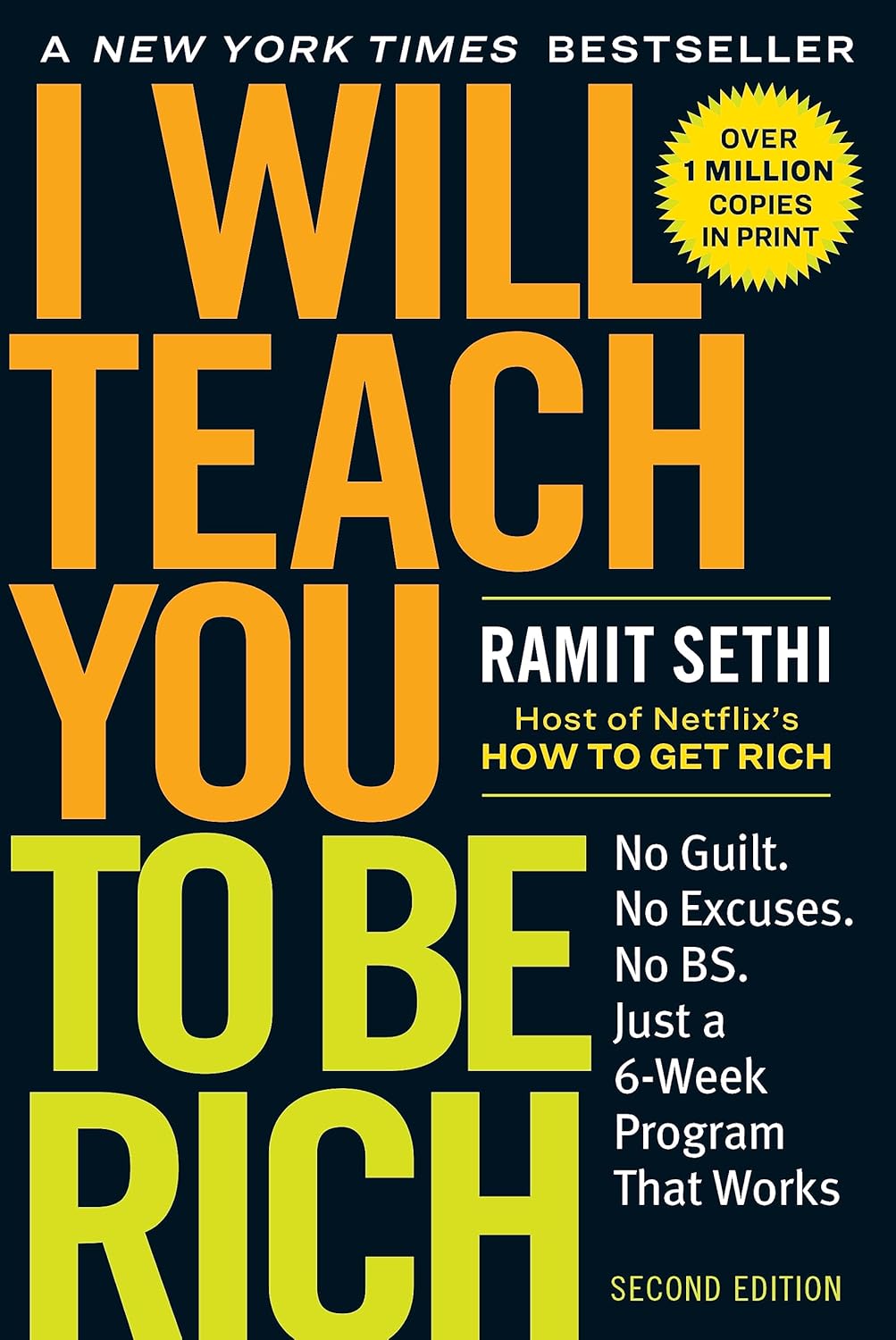
Ramit Sethi, author of I Will Teach You to Be Rich, has a philosophy that surprises many people:


“A Rich Life isn’t about having a huge bank account. It’s about living a life that feels meaningful, expansive, and aligned with what matters to you.

When we look at this through the lens of the Future Self, something shifts.


Instead of reacting to the moment, we begin asking:

What kind of life am I building for the version of me who comes next?

One way to explore that question is by noticing how you currently relate to money.

Having language for our patterns is the most compassionate place to begin.

The Money Psychology Self-Assessment Quiz helps you identify your patterns around spending, saving, avoiding, or giving, especially during emotional or stressful moments. These patterns don’t define you, but they do influence the future you’re creating.

The quiz is simply a pause — a chance to ask:

Are my current money habits supporting the life my Future Self is stepping into?

Want more?
Click link for Further Explorations.

Elevated Insight

What a “Rich Life” Really Means

According to Sethi, a Rich Life is:

  • Deeply personalyou choose what matters
  • Values-based — your spending reflects what you truly care about
  • Guilt-free — you spend lavishly on what you love, and cut ruthlessly on what you don’t
  • Clear and intentional — your money becomes a tool for designing the life you want

It’s the opposite of generic financial advice like “stop buying lattes” or “just budget harder.”

This is where the Future Self becomes especially helpful. By exploring what kind of life you’re building — and who you’re building it for, reflection invites you to understand where the habits came from.

When we step back and look at money through this lens, we’re no longer asking “What should I be doing?”

We’re asking something much more meaningful.

The Money Psychology Reflection Worksheet is designed for a deeper dive. It helps you slow down and explore the beliefs, experiences, and emotional patterns that shape your relationship with money — and how those patterns influence the future you’re building.

What does a fulfilling, meaningful life actually look like for the person I’m becoming?

When money is guided by awareness and intention, it often shifts from a source of stress into a source of possibility.

Want more?
Click link for Further Explorations.

Elevated Awareness

💡 The Core of Ramit’s Philosophy through the lens of your Future Self

Sethi often says:

“You should spend extravagantly on the things you love — and cut costs mercilessly on the things you don’t.”

When we bring the Future Self into this idea, it becomes less about rules and more about relationship.

When you truly know your Future Self — when you feel connected to them and clear about what they want — it’s easier to make grounded choices. You’re not denying yourself joy; you’re simply being thoughtful.

Just like with a good friend, when you care about their long-term wellbeing, you’re also mindful of what actually supports them.

Clarity creates trust.
And trust reduces self-sabotage.

For many people who grew up with guilt around spending, fear of running out, or the belief that joy must be earned, this perspective is deeply freeing.

A Rich Life, in this sense, gently reminds us:

  • You’re allowed to experience joy
  • You’re allowed to choose what matters
  • You’re allowed to build a life that feels nourishing, steady, and supportive

When money choices come from friendship with your Future Self, they tend to feel calmer — and far more aligned with building a life that feels ‘Rich’.

Further Explorations

Because curiosity deepens awareness.

Each month, I share a few favourite resources for anyone who wants to dive a little deeper — articles, podcasts, books, and research that build on what we’ve been exploring together around the mind, body, and conscious living.

Just click the links below to read, listen, or save them for later. Follow your curiosity — and see what new insights show up along the way.

🎧 Podcast — Jay Shetty Podcast: Scott Galloway often reminds people that true financial security comes from resilience — not luck, not timing. His philosophy is simple: spend less than you make, invest consistently, build skills that increase your earning power, and design a life where you’re not constantly one bad break away from crisis. This link takes you to 25:02 of the podcast, the whole episode is 1 hr 30 min.

🎧 Podcast — Diary of a CEO: Ramit Sethi talks about designing a “Rich Life” based on what truly matters to you—not what society tells you should matter. He challenges the guilt and shame many of us feel around spending and encourages intentional choices that align with our values. This link takes you to 2:05 of the podcast, the whole episode is 1 hr 50 min.

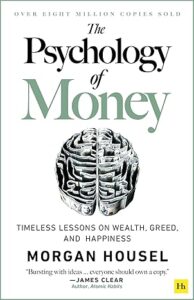
📖 Book — The Psychology of Money explores how our beliefs, emotions, and personal history shape the way we handle money. Morgan Housel uses short, engaging stories to show that financial success isn’t about math — it’s about behavior. A great read if you’re curious about why you make the money choices you do. (6–8 hr read / ongoing reflection).

Entry Points

When you’ve tried to think your way through something but nothing seems to stick.

Private sessions help you uncover the root cause behind what’s holding you back.

Using the guided approach of Rapid Transformational Therapy® (RTT), Conversational Tranceformation™, and Mental Fitness Coaching, we work beneath the surface challenge to create meaningful emotional and behavioral change — helping you step into deep, lasting transformation.


Workshops: Tools for the Mind is a monthly 60-minute, in-person coaching workshops explore how your mind works to create harmony between thought, emotion, and body. You’ll deepen self-understanding, strengthen emotional awareness, and leave with clarity you can feel right away. Come for one topic or return each month to keep expanding your toolkit for mindful living.

December 2025No workshop, pausing for the holiday season
January 2026Habit Shift: Small Steps, Real Change
February 2026 Confidence from the Inside Out

Wellness Walks: Step outside and reconnect.

These guided Walks help you slow down, engage with the land, and explore how the mind works in nature. Each walk includes a 15-minute pause for deep listening to support integration and reflection.

Available for individuals or groups from February through November, just outside Kimberley, BC on 270 acres of private land.


Understanding Anxiety Online Coaching (Coming 2026)

💻 Live online

Anxiety doesn’t mean something is wrong with you. It means your system is working hard to keep you safe—sometimes too hard.

This course helps you understand what anxiety really is, why it shows up, and how to calm your mind and body using tools that work.

Over four weeks, you’ll build awareness, emotional regulation, and the confidence to respond differently—one small shift at a time.

✨ Science-backed strategies
✨ Weekly coaching sessions via Google Meet
✨ Practical tools you’ll actually use

Join from anywhere and learn to train your mind like a muscle. 💪💜

🕓 1 hour weekly for 4 weeks

📅 Starts: Early 2026

Join the interest list for updates.

The Elevated Day Journal

This is more than a planner — it’s a guided diary for habit-stacking, emotional clarity, nervous system support, with intentional living.

Now available in printable digital format on Etsy for $9.95CA

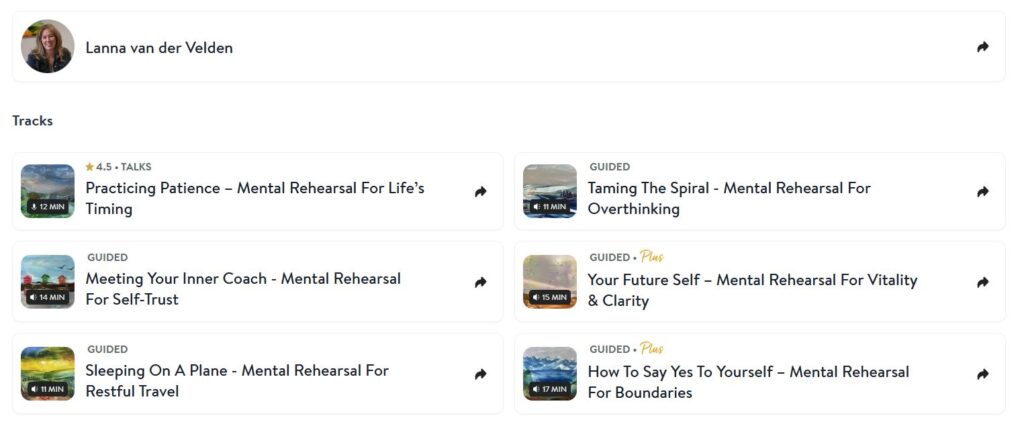
Tracks & Courses on Insight Timer

If you enjoy learning through audio, you’ll find guided practices that help you feel calmer, clearer, and more connected to yourself.

My work on Insight Timer includes mental rehearsals, visualizations, and practical tools designed to support emotional awareness, stress relief, and everyday mental fitness.

Download the #1 Free Meditation app to get started.

Connect to schedule your 75-minute Foundations call and start your path to transformation.

Growing Up, Looking Back: A Fresh Approach to Inner Child Work

Why the child you once were still shapes the adult you are becoming

Most of us don’t realize how much our younger selves are still shaping our adult lives. The worries we carry, the way we react when we feel overwhelmed, and the patterns we fall into without thinking—many of them began long before we were old enough to understand what was happening.

That’s where Growing Up, Looking Back: A Fresh Approach to Inner Child Work really begins.
Inner child work isn’t about “becoming a child again.” It’s about gently reconnecting with the parts of ourselves that were formed during our earliest years—the parts that learned how to cope, how to stay safe, how to earn love, or how to avoid conflict. These younger parts influence our emotional responses today, often without our awareness.

Inner child work helps us slow down, listen, and understand.
And when we do that, something powerful happens: old patterns soften, compassion grows, and we start responding from a grounded, capable place rather than an old protective one.

What Inner Child Work Actually Looks Like

Inner child work is a process of getting deeply curious about the younger parts of you. Together we explore:

  • Where certain beliefs or fears started
  • How childhood experiences shaped your responses today
  • What your younger self needed but didn’t receive
  • What tools you can use now to support those parts

This isn’t about reliving the past. It’s about bringing awareness and compassion to it.

In my approach—which blends Conversational Tranceformation™, Rapid Transformational Therapy (RTT®), and practical coaching—we take a gentle, insight-based path. Each modality works together to help you understand where patterns began, how they still show up today, and how to shift them with clarity and compassion. This integrated style supports both the emotional healing of the inner child and the practical skills needed to create real change in your daily life.

Think of it as having a guide helping you connect the dots between “why this still bothers me” and “what I can do differently now.”

You don’t have to know exactly what you’re looking for. Most people come in simply feeling like something inside them needs attention or soothing—and that’s enough.

Why I’m Deeply Connected to This Work

People often ask why I feel so at home doing inner child work. The truth is:
I’ve spent most of my life working and understanding kids—how they think, feel, cope, and communicate.

A lifetime of working with children

My work with children started at 12, babysitting and supporting families in my community. By 15, I was working in daycare. By my early 20s, I was managing a full daycare program at a ski resort in Alberta.

These years gave me real-world insight into child behaviour and emotional development—insight that deeply informs how I guide adults through their inner child healing.

Formal training in development and psychology

I completed Early Childhood Education through the University of Lethbridge and studied child psychology, providing me with developmental frameworks, attachment theory, emotional regulation patterns, and behavioural understanding.

Experience with teens navigating big emotions

My time at Options for Sexual Health—supporting teens with identity, relationships, boundaries, and difficult emotions—added another layer to my work and taught me how to create safe spaces for vulnerable conversations.

Parenting twins

And of course, being a parent of identical twins has given me a front-row seat to how differently children experience the world—even with the same genetics and environment. Parenting has shaped not only my compassion, but my ability to spot developmental patterns quickly and accurately.

Put all of this together, and you have a blend of intuition, training, lived experience, and emotional depth that makes inner child work natural, grounded, and effective.

Why Inner Child Work Helps So Many Adults

As adults, we often assume we’ve “outgrown” childhood experiences.
But the patterns that formed early don’t disappear—they simply become more sophisticated.

Inner child work helps adults identify when they’re reacting from:

  • Old fear instead of current reality
  • Learned responsibility instead of healthy boundary
  • People-pleasing instead of authentic want
  • Survival strategies instead of choice

When you understand why a reaction exists, you gain the power to interrupt it.
And that shif

If You’re Feeling a Pull Toward This Work… Here’s Why That Matters

Adults are incredibly skilled at ignoring their internal signals.
We shrug off discomfort, call it “stress,” or assume we simply need to work harder, cope better, or “get over it.”

But that quiet pull—the curiosity, the nudge, the sense that something inside you is ready to shift—is meaningful.

It often shows up when:

  • You’re tired of repeating the same pattern
  • You feel like you’ve outgrown an old identity
  • Your nervous system wants more peace
  • A part of you wants to stop bracing for impact
  • You’re finally ready to understand rather than avoid

This is where Growing Up, Looking Back: A Fresh Approach to Inner Child Healing becomes powerful for adults. It gives you the language, tools, and emotional clarity your younger self never had access to.

In my work, using Conversational Tranceformation™, RTT®, and coaching, we approach this gently and collaboratively. You stay grounded. You stay in control. And you build a version of yourself that feels calmer and more aligned with who you want to be—not who you had to be.

You never have to do this work alone.

And if you’re feeling that pull, it’s likely because a part of you already knows—it’s time.

💜

Connect to schedule your 75-minute Foundations call and start your path to transformation.